Where the Rubber Meets the Road: Harvest in the Central Valley
It’s August. Depending on one’s position in the wine world, people are either taking vacation, touring wineries, furiously trying to bottle whatever is in tank to clear up space for the vintage soon to come, preparing for harvest, or, in the case of so many young sommeliers: making plans to work harvest in some romantic locale, under the personal invitation of some dashing winemaker or other. It sounds cool, a combination of hands-on education, hard work, bonding with an icon of the wine world who will no doubt offer plenty of cred while traversing those dangerous alleys between tables of very expensive restaurants.
No, no, no. Not fair. Having never worked a harvest in Europe (though, visiting Domaine des Comtes Lafon on a cold morning in early November, 2005, Dominque Lafon asked if I – as well as two other visiting American journalists – would be interested in picking some Chardonnay still hanging in the Mâcon that he wanted to harvest that afternoon to make a vendages tardives wine. For some reason, I declined – I think I wasn’t dressed properly – much to my later regret. I could have become buddies with one of Burgundy’s finest winemakers! Or, have surely gotten a rare bottle of Lafon sticky.). Of course, I cannot really speak to anyone’s particular experience. However, it always did strike me as a bit precious. I mean, how much work were those New Yorkers in Burgundy/Ribera de Duero/Montalcino, etc., really doing?
I can speak, however, about my harvesting experience. Two weeks ago I was in California’s Central Valley to deliver the keynote speech at Fresno State University’s Grape Day. (More about that in a later post.) The evening after my speech, I had dinner at a superb Middle Eastern Armenian restaurant, AJ’s, with my friend Aris Janigian, a terrific, provocative novelist, now based in Fresno, and a good friend of his, Ralph Pistoresi. Ralph, happens to be one of California’s most significant grape producers, farming in the hot Central Valley thousands of acres of fruit that goes into California wines up and down the state. (Yes, even very expensive Napa wines – who are permitted to blend up to 15% of grapes grown outside Napa).
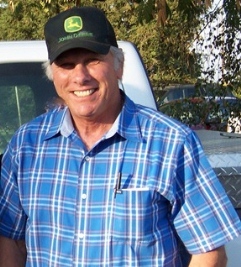
Driving Aris and me home, Ralph mentioned that he had a crew up in Madera, about 30 minutes north, harvesting Pinot Gris. (August 5, grapes ripen early in the Valley).
“Have you ever seen a mechanical grape harvester?” he asked.
The answer: only one standing still. Indeed, while I have been in hundreds of vineyards, before, during, and after harvest, they were always of the hand-picked type. Like the ones all the young somms flock to in late September.
“Well, do you want to see one in action? You gotta see one in action.”
Absolutely.
Aris, whose father grew grapes, among other things, including, it seems the first seedless watermelon in the United States, and, who, he, himself, owns a company that packages grapes for home winemakers, opted to stay home.
So, Ralph and I went north, into the coolish night (for the Valley – maybe 72 degrees), toward Madera. Though the moon was nearly full, it was dark. That is, until we saw the bright lights of the monster harvesters in the distance. We pulled off the road into what Ralph calls “a small vineyard,” 160 acres of planted in mixed varieties, passing several large trucks with even larger bins behind, all lined up to receive tons of grapes.
Ralph had three harvesters going, machines that stand about two stories tall and about a dozen feet wide, with tires five feet in diameter. One was idling for us to join it. We clambered aboard, up the steel ladder, to a platform on top where a driver sat. Below, in the center, was a set of two coils on either side of an open space wide enough to accommodate a row of vines. As the machine rolled slowly forward, the coils vibrated against the vines, shaking ripe grapes into a trough, and then to a conveyor belt monitored by workers on each side who manually pull off detritus, including stems, leaves, and anything else. No, unlike the claims in that stupid article that appeared on the Huffington Post a couple of weeks ago (since withdrawn), there were no birds or apparent insects in the mix.
The grapes, Pinot Grigio, yellow, splashed with purple, were carried up the belt, then to a sluice that transferred them over a neighboring row of vines to a large bins attached to a tractor running alongside. Remarkably, very few leaves were in the mix – or anything other so-called MOG (material-other-than-grapes).
The machine was loud, and it shook as it rolled slowly – one mile per hour – over the quarter mile long rows. With stops to make adjustments and slow turns from one row to the next, the harvester and crew were able to cover about three rows in an hour, about one acre. The yields: about six tons per acre this year, about a third less than last year’s harvest. Still, sugar levels are good – about 22 ½ brix, enough to produce a wine of 12.5%+ alcohol, if fermented dry. And, the few berries that I plucked from a passing conveyor were sweet and flavorful.
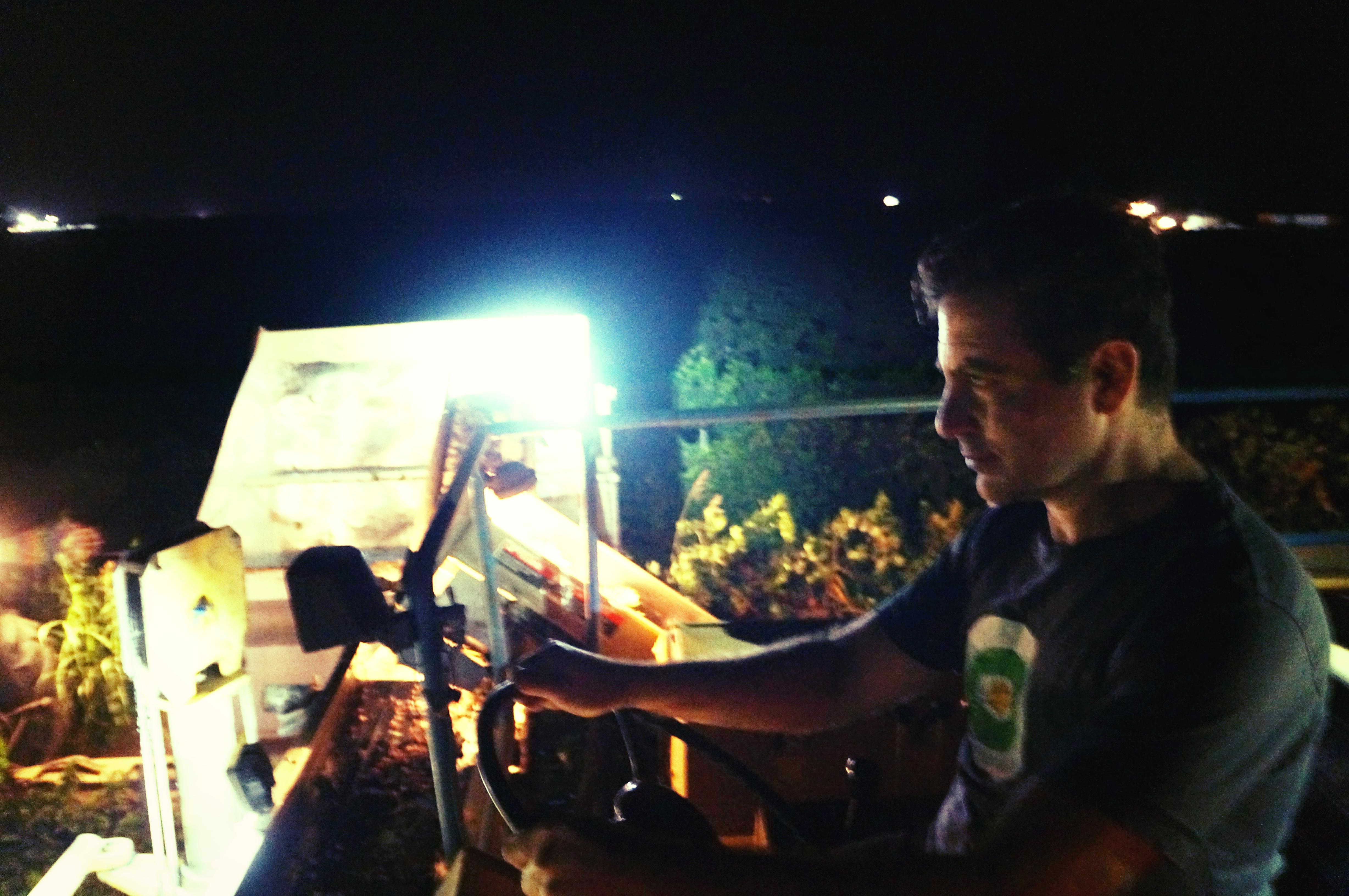
I got behind the wheel for a minute, mostly to say that I did, but I spent the majority of my time simply taking it all in: The scale, the noise, the mechanics of it all, the combined smell of machinery, workers’ sweat, and the sweet perfume of tons of ripe grapes passing before my eyes. It was one of those places where industry meets agriculture dead on. A place, where the metaphorical rubber meets the road, as Ralph put it, or more literally, where the rubber meets the fine sandy loam soils of that part of the Central Valley. To paraphrase a quote by a large Central Valley growers that journalist Jon Bonné cites in his excellent book The New California Wine, what I was taking in really was the California wine business.
Truly, it was. The grapes, it turns out, were going to the Franzia’ brother’s Bronco Wine Company, makers of Charles Shaw wines – aka, Two Buck Chuck (now $2.50 in California, $3.50 here in Manhattan). When the grapes got to the winery, there were likely processed in a way that makes it possible to sell wine at a low price. I don’t remember the last time I tasted Charles Shaw Pinot Grigio (probably at a wedding done on the cheap), but I assume it wouldn’t be the sort of wine I would be more than indifferent to. But, that’s all right. The fact is, there is a place for inexpensive wine that regular people can drink on a regular basis without worrying about cost. Sure, it’s manipulated like hell. But, so, too are a lot of rather expensive wines.
And, the wine allowed me to get on one of the coolest pieces of farm equipment out there. Fantastic.
Have a look:
The Finger Lakes Region: finding a way beyond the wine trail
Appearing in Gilbert & Gaillard International, Summer 2013
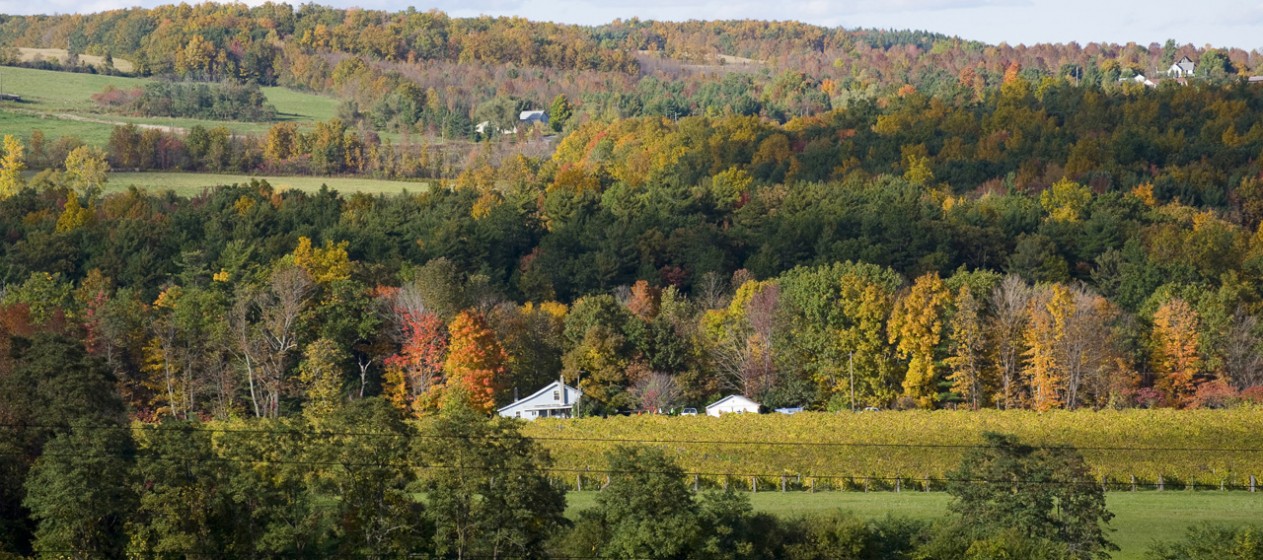
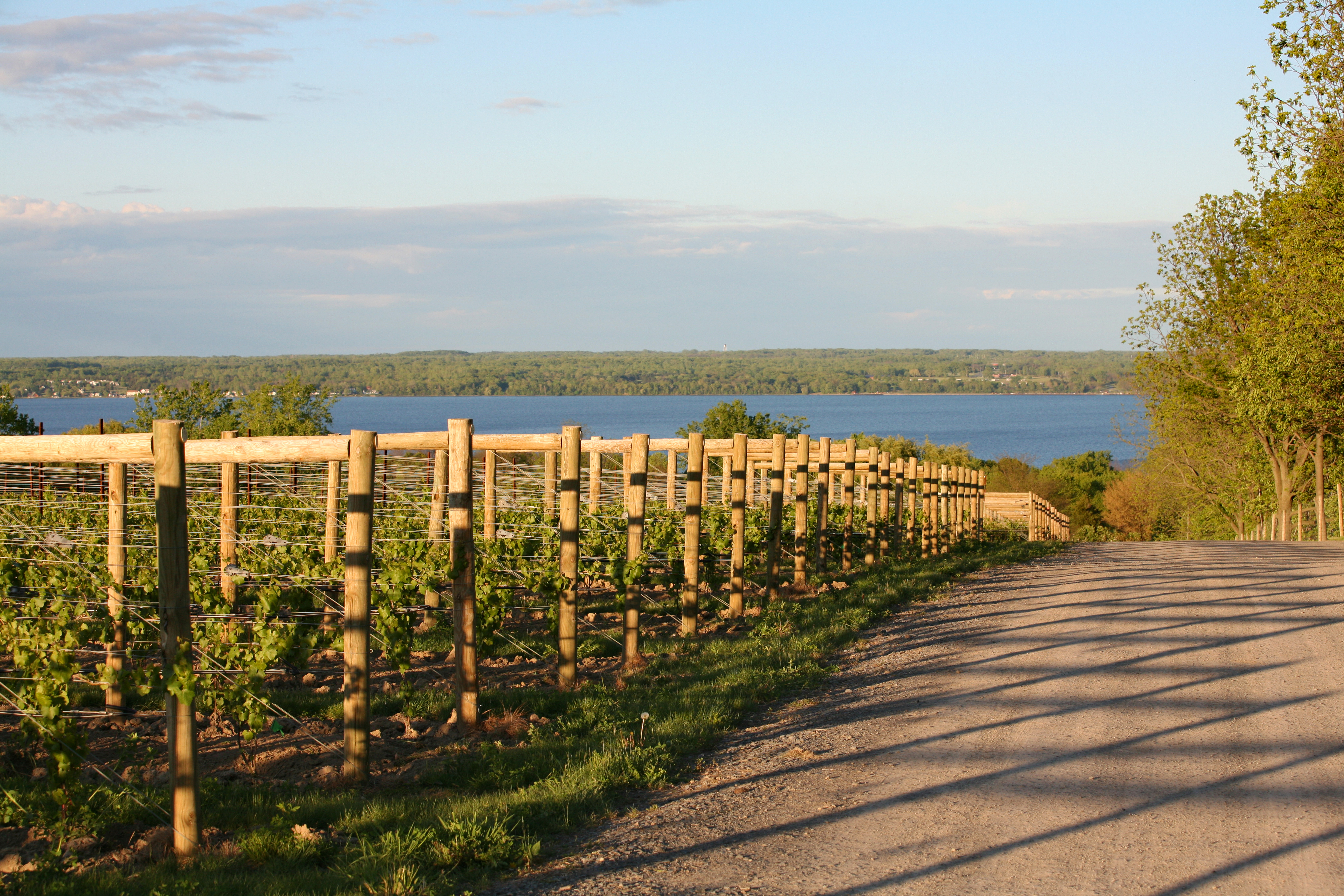
The Finger Lakes can be counted among the greatest wine regions in the world. Or has the potential to be. It’s a bold statement and one that, for the next few years, needs a few qualifications. But, with a distinct geology, geography and conditions that ‘cool climate’ grapes seem to favor, and thoughtful, outward-looking winemakers, it is not folly to imagine that the Finger Lakes is on its way to becoming one of the most respected wine
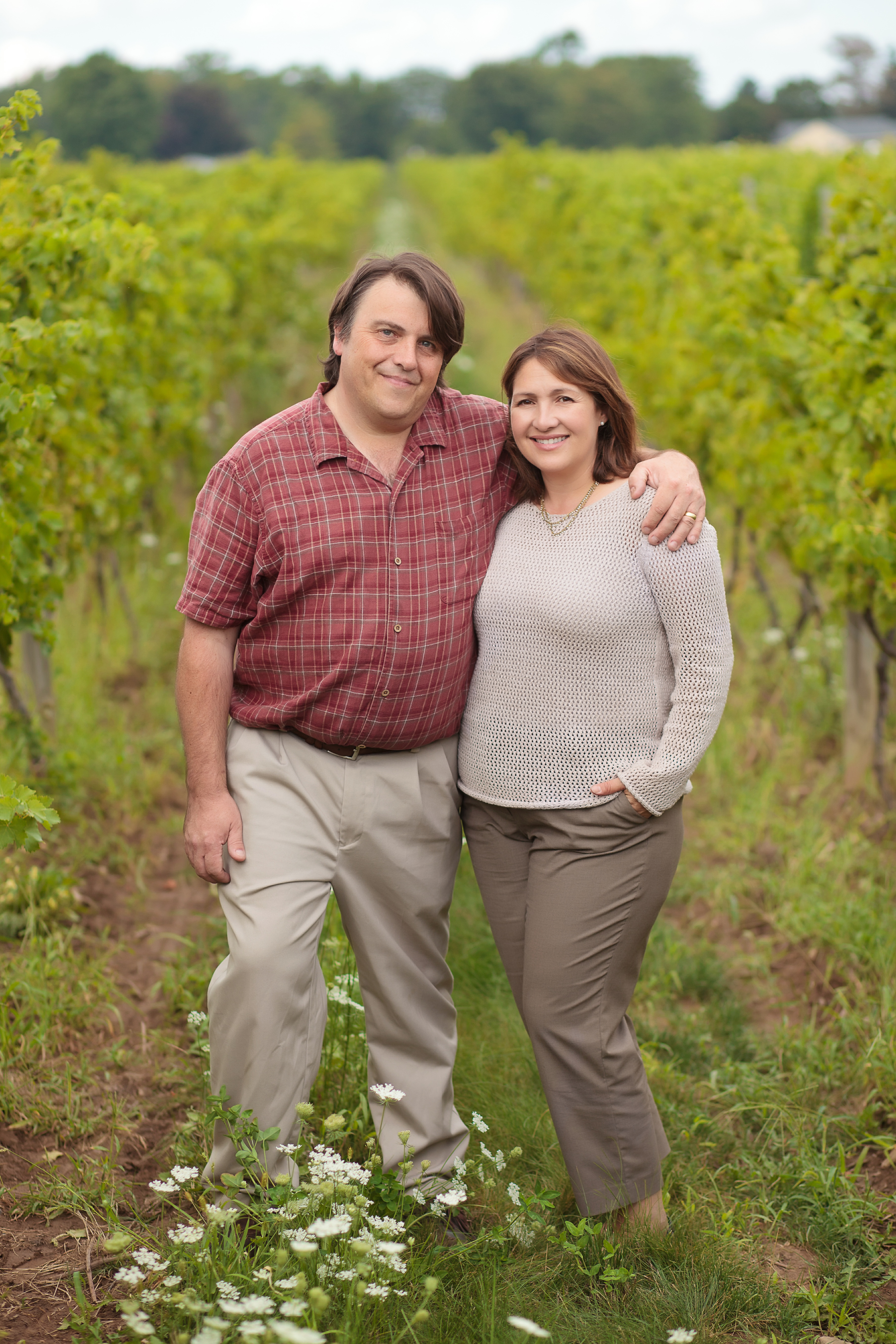
regions in the United States and, therefore, the world. As Morten Halgren, winemaker at Ravines Wine Cellars, which he owns with wife Lisa, sums it up: “It’s a region where you can work with both [superb] Riesling and Pinot Noir, the most expressive of grape varieties. What more can a winemaker want?”
Skeptical? Just have a sip of one of Halgren’s Rieslings. (Or, one by Bloomer Creek, Anthony Road, Hermann J. Wiemer, Red Newt, etc, etc).
It surprises many, even New Yorkers, to learn that, until 2000, New York State was second only to California in US wine production (it is now third, after Washington State). The greater portion of this wine came from the Finger Lakes region, an area in upstate New York, 360 kilometers northwest of New York City. Defined by 11 long and narrow glacier- formed lakes, the Finger Lakes region has been an important, if improbable wine growing region since the 19th century. The great majority of wine production takes place around four of the larger lakes: Keuka, Seneca, Cayuga, and Canandaigua, large bodies of water that moderate the worst effects of upstate New York’s very cold winters, when mid-January temperatures average between -1°C and -9°C . Summers are typically hot and humid, but there can be cool, rainy spells, too. In all, these are not ideal conditions to easily grow fine wine grapes of the vinifera species but quite suitable for native Vitis labrusca, as well as hybrids of American and European grape varieties. Though indigenous grapes offer flavors out of line with the tastes of most contemporary connoisseurs, a Finger Lakes sparkler made from native Catawba grapes captured a gold medal at the Vienna Exposition of 1873.
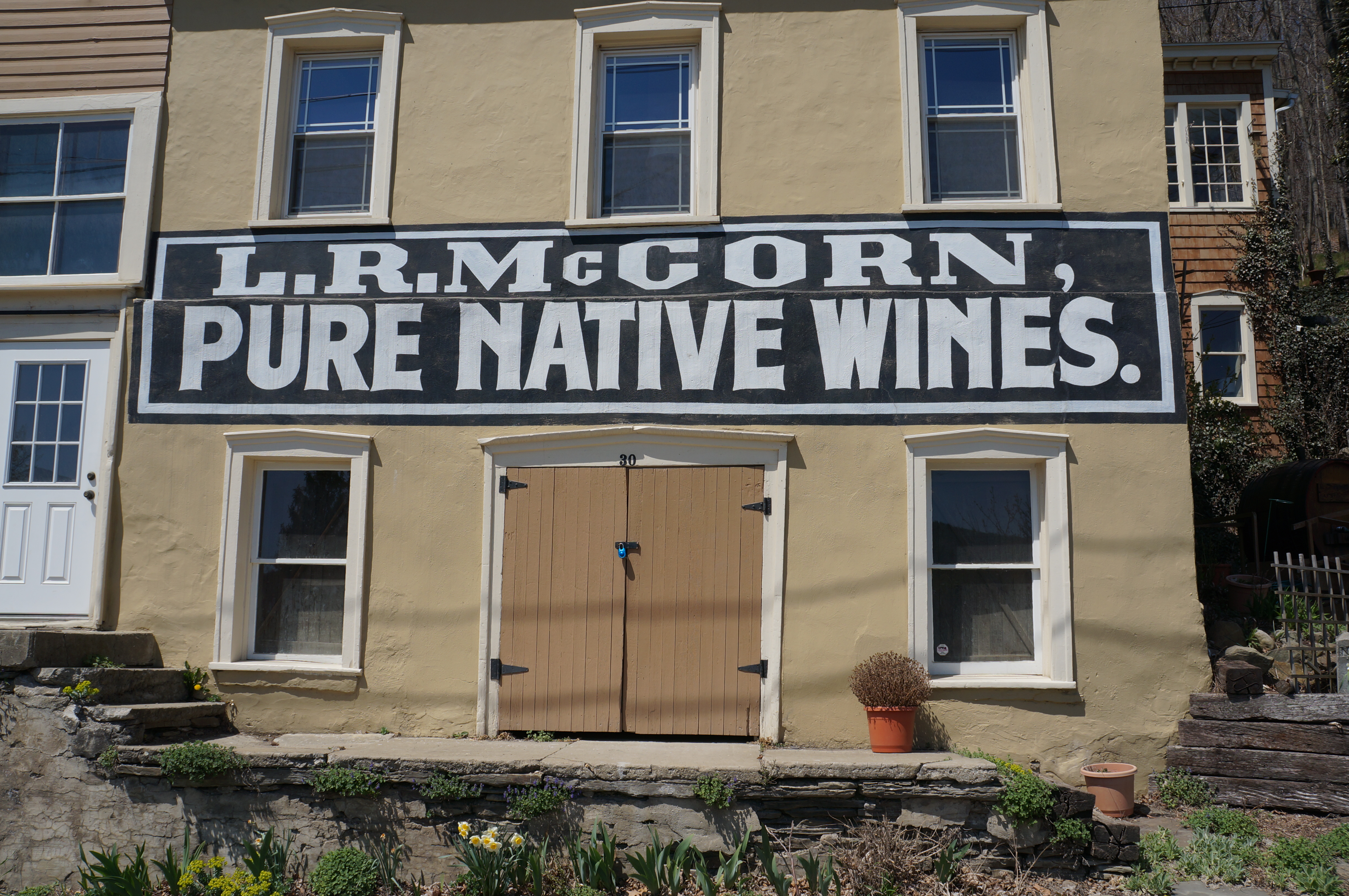
SLOW CONVERSION TO VINIFERA VARIETIES
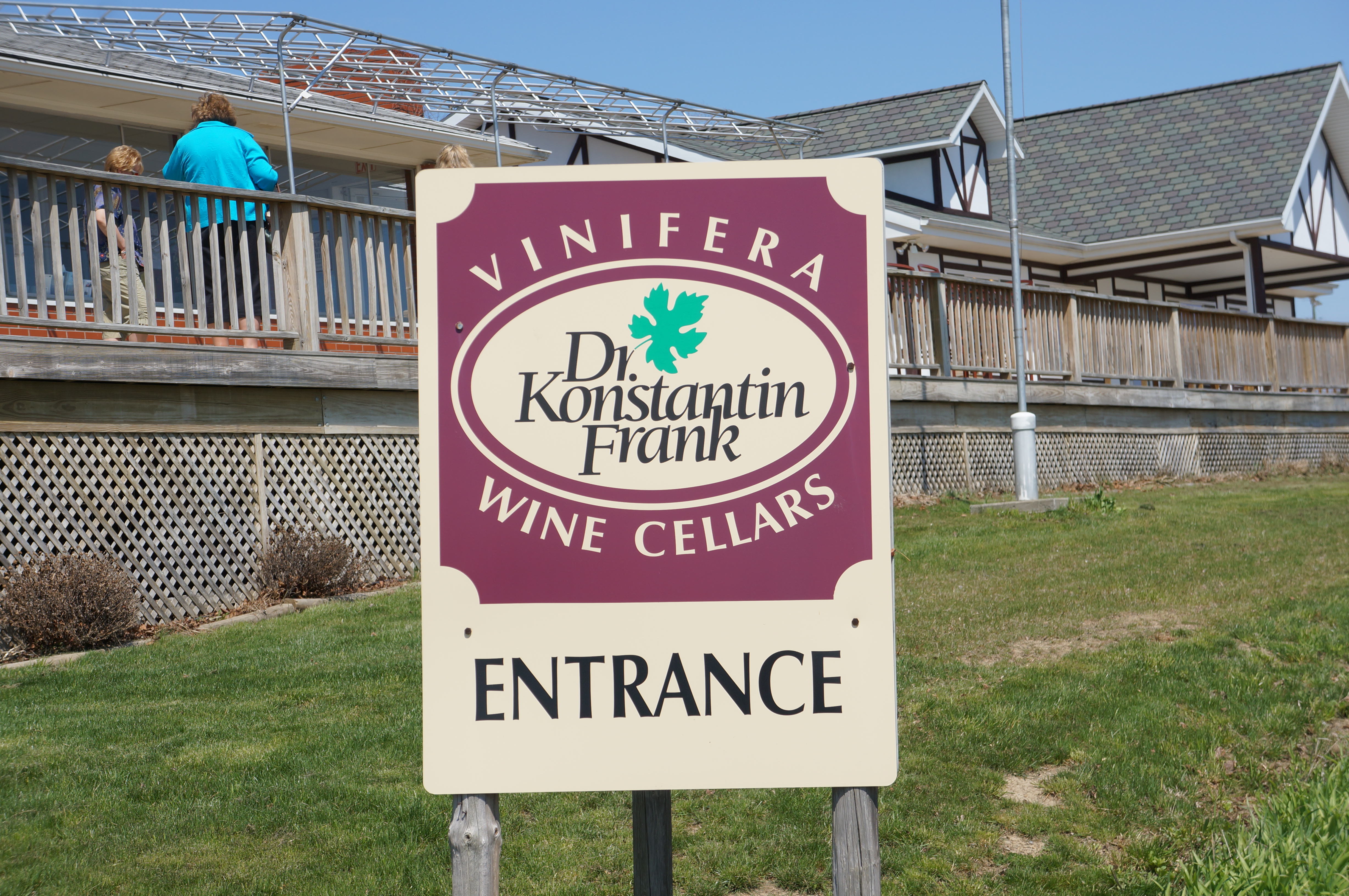
Dr Konstantin Frank: Where the vinifera revolution began on Keuka Lake.
Until the early 1950s, few were confident that any vinifera vine could survive winters in the Finger Lakes. Chief among the naysayers were the scientists at Cornell University’s Agricultural Experiment Station in the town of Geneva, located at the north tip of Seneca Lake. Their contention was challenged by Dr. Konstantin Frank, an ethnic-German, Soviet immigrant viticulturalist, who arrived in the Finger Lakes in 1953. His experience in the Ukraine, with winter conditions far harsher than in the Finger Lakes, convinced him that vinifera could thrive in the region, provided one used the right rootstocks and utilized appropriate practices. He was able to test his beliefs after meeting Charles Fournier, a former Veuve Clicquot winemaker who was president of Gold Seal winery, at the time one of the Finger Lakes’ most important producers. Fournier put Frank in charge of viticulture and allowed him to plant vinifera vines. By the end of the decade, it was clear that the experiment was successful. Fournier converted a portion of Gold Seal’s hybrid vineyards to vinifera and Frank established his own vinifera vineyards above the western shores of Keuka Lake. When he released his first wines in 1962, he proclaimed his vision through the name he gave the company; Dr. Konstantin Frank Vinifera Wine Cellars. The winery, currently headed by Dr. Frank’s grandson, Fred, celebrated its fiftieth anniversary last year.
Praised by critics, one could not deny Dr. Frank’s success as a viticulturalist and winemaker, but the conversion to vinifera in the region has been slower than one might expect. Of the 3,500 hectares planted to vines today, (compared to 10,000 ha a century ago], less than one quarter are vinifera. Until now, growers who sold grapes to large wineries making anonymous, ‘popular’ blends have been happy with the ease of growing winter and disease-resistant hybrids and natives. Furthermore, hybrid or native varietal wines are popular with locals and tourists drop into winery tasting rooms while they enjoy the region’s beauty. And, finally, if made with care, hybrid wines can be charming. Steve DiFrancesco, who makes both vinifera and hybrid wine at Glenora Cellars, points out, “Some hybrids, like Seyval, Vignoles and Traminette, have more character and flavor than common viniferas like [French] Colombard and Trebbiano. Hybrid doesn’t have to mean inferior.” Still, with a ton of Riesling commanding as much as five times the price of many hybrids, the future is very much in favor of vinifera.
THE FINEST RIESLING REGION IN THE US
No grape in the Finger Lakes attracts as much attention as Riesling. With 400 ha in production, it is the second most- planted grape of the region’s 140 varieties (the first is the pungent native. Concord, at 735 ha), and there is a rush to plant more. Today, it is rare that a winery doesn’t offer at least one Riesling. While not every one of them is stellar, 1 would argue that Finger Lakes is the finest Riesling region in the United States and, perhaps anywhere outside of Europe. Riesling loves mineral-rich soil and the region is awash with shale or limestone. Moreover, Riesling in the Finger Lakes has the tendency to achieve phenolic, or flavor, ripeness ahead of sugar ripeness. Since a grape’s acidity tends to lower as sugar levels rise, earlier flavor ripeness can ensure that full-flavored grapes will still have mouthwatering levels of acidity while sugar levels are still modest. Several winemakers in the Finger Lakes proudly report that they can pick their Riesling under 20 Brix of sugar (about 11 Baumé), allowing them to produce crisp, aromatic wines that are relatively low in alcohol. Of course, many winemakers also pick their grapes a bit riper to produce more powerful wines, but it is rare to find a Finger Lakes Riesling that measures over 12.5% alcohol. Styles range from bone dry to unctuously sweet, though the tendency is toward wines that are off-dry, high in acidity, with pHs typically at 3 or less. Whatever the style, there is a certain purity to the wines, fruit, minerality and acidity with little showiness.
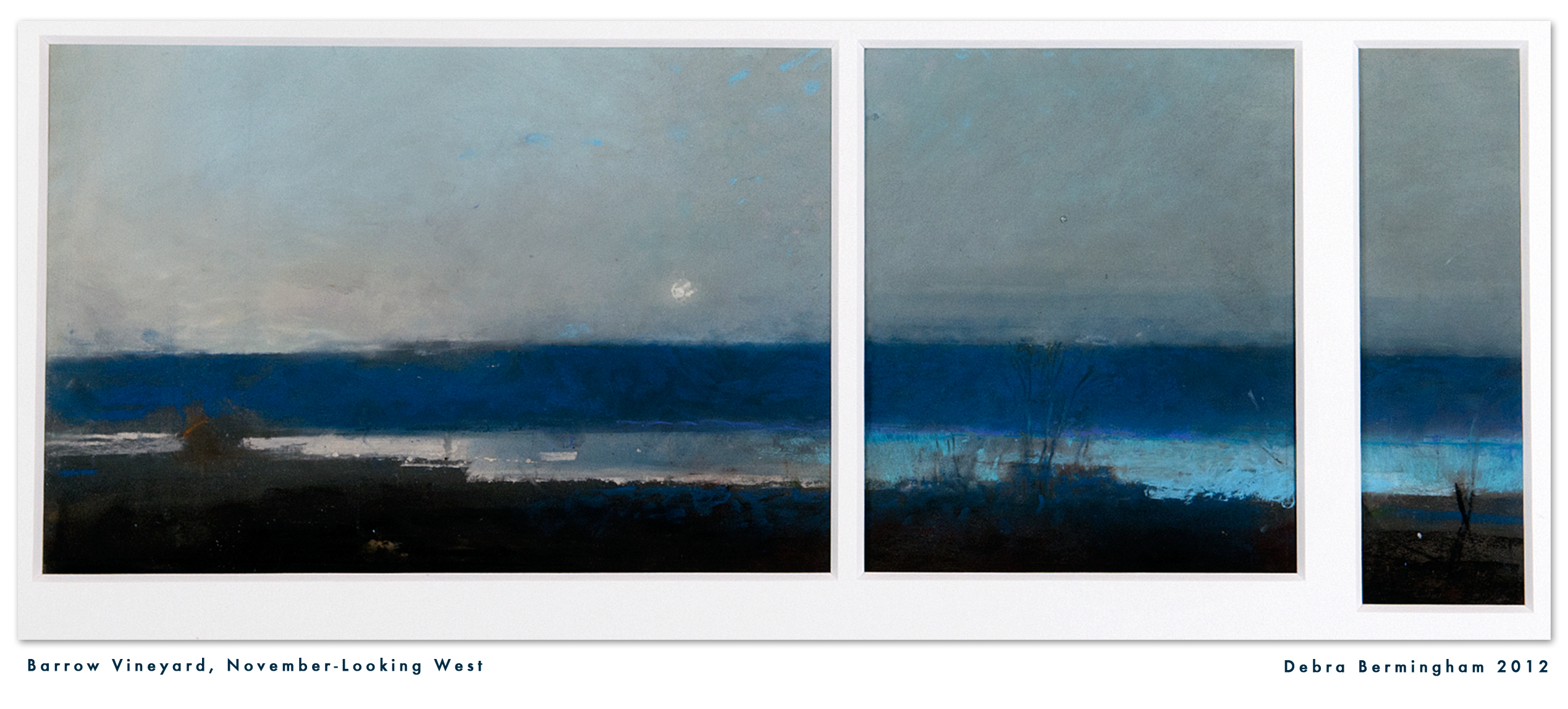
Finger Lakes’ geology is diverse, the result of glaciers carving depressions into the land as they started flowing from the North 2 million years ago, dragging and depositing debris of various sorts and origins: granite, limestone, mud, sand, etc., some of which was compacted into the hard shale that underlay much of the region. In the same vineyards, one might flnd soil depths ranging between less than one meter to three or more and bedrock that is streaked with limestone or shale, or sometimes pure plates of either. There are slopes of varying gradients, ravines and gorges that funnel breezes or offer protection from variations of weather, and places where lake influence is particularly strong.
FLYING BLIND
Taking advantage of the region’s diverse soil types is an endeavor that takes time and experience. Herman J Wiemer, who arrived from the Mosel in 1965, was flying blind when he planted his first vineyard in an old soybean farm in 1973 on a rise 1,500 meters from the western shores of Seneca Lake. He was sure vinifera could grow in his portion of Seneca Lake (Dr. Frank’s plantings were at Keuka Lake). And, while maps made decades earlier told him the soil at his original property was aurora silt loam, that is, sandy gravel, with shallow top soil, heavy clay at the base and solid shale underneath, Wiemer openly admits he, “didn’t know what the soil would do. We did crude tests for limestone, but that was about it. …We had no concern about terroir back then. I just didn’t want my grapes to die!”
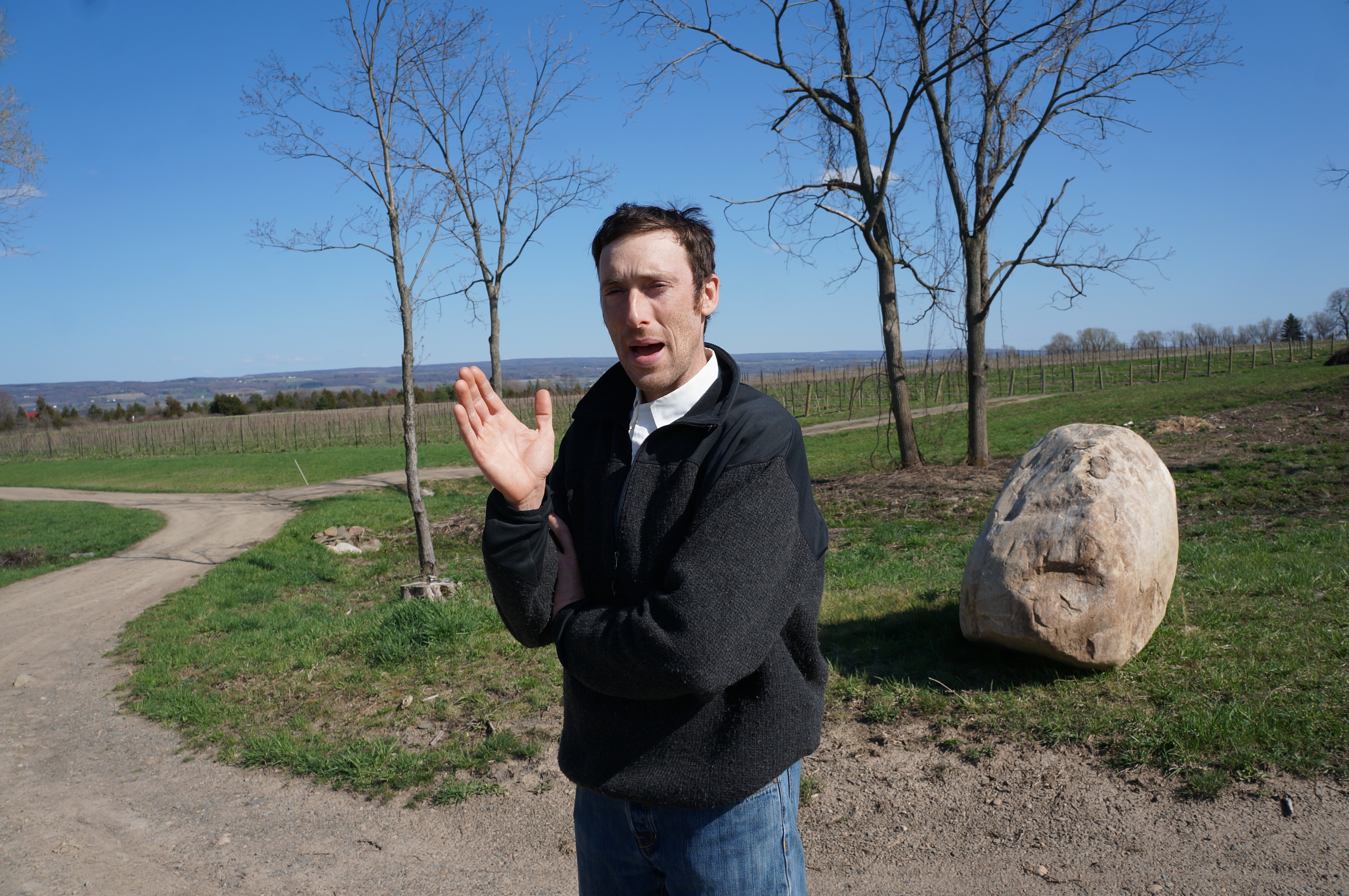
Wiemer released his first wine in 1979, a dry Riesling that received favorable comments in The New York Times. But an intense chill struck at the end of 1980, with temperatures falling to -26 °C. Known locally as the ‘Christmas Massacre,’ the cold seriously damaged most vines in the region, including many of Wiemer’s. But, he noticed that one Riesling vineyard 16 kilometers up the road remained almost unaffected. He kept an eye on the property and purchased it in 1989. Studies have confirmed that the microclimate is warmer there than almost any other portion of the Finger Lakes. Today, Wiemer’s successor, Fred Merwath, produces two single-vineyard wines from the property, Josef and Magdalena Vineyard Rieslings, the latter of which was selected by me two years ago as one of the finest wines produced in the United States in the 2010 vintage
Given the potentially extreme cold (another devastating chill hit in 2004), differences in microclimate are important to understand, but so too is the selection of rootstocks and clones that are best suited. When Wiemer, and certainly Frank, started there was little choice: one planted what one could get, either from nurseries or from whatever cuttings one could secure. In the Finger Lakes back then, there wasn’t much. [It is no coincidence a large portion of Wiemer’s business today is a grape nursery he started in 1979].
THE VARIETIES OF THE FUTURE
Producers, however, are still figuring out what might work best in terms of grape variety, too. Gewurztraminer has a presence in the region, as well as Chardonnay and a menagerie of other white grapes, including Austria’s Gruner Veltliner and Georgia’s Rkatsiteli. As John Martini, owner of Anthony Road Wine Company, notes with the enthusiasm of someone fascinated by future possibilities, “We [the Finger Lakes] have only been at it for the past 50 years – or for most, 20 years or less. Riesling might be king today, but maybe in a generation or two, who knows?”
Red vinifera grapes are growing in importance in the region too, but again, the Finger Lakes are at an experimental stage. Cabernet Franc is the most important in terms of plantings, and perhaps quality. Pinot Noir is the region’s second most widely-planted red vinifera grape. It is generally good here and, occasionally, one comes across an especially distinctive one that points to greater potential for the grape. Johannes Reinhardt, Anthony Road’s Franconian-born winemaker speaks of the grape with reverence, but doesn’t make it every year since he is not always happy with the fruit. “We’ll get there, but it takes a lot of work and takes many extra steps to get that delicacy that makes Pinot Noir beloved.” He adds, encouragingly, that one might have said the same thing about Riesling until the 1980s.
Also prominent is Lemberger, aka Blaufrankisch, which is being produced by increasing numbers of producers and will possibly be a hallmark variety in the region. Fox Run Vineyards has examples going back to the 1990s that have aged beautifully. Though there is less of a track record, other cool climate reds such as northern Italy’s Lagrein and Teroldego, Germany’s Dornfelder and Georgia’s Saperavi show potential, too. Wines made by Mike Schnelle and Nancy Irelan at Red Tail Ridge Winery are especially promising. Examples of varieties that favor warmer climes such as Syrah, Sangiovese and Cabernet Sauvignon are less convincing. Hopefully, this increasing attention will tempt greater numbers of Finger Lakes wineries to focus on quality and precision. Fortunately, there are still plenty of Finger Lakes wines to enjoy in the meantime.
In Honor of Saint Valentine’s Day, Eight Thousand Bottles of Champagne
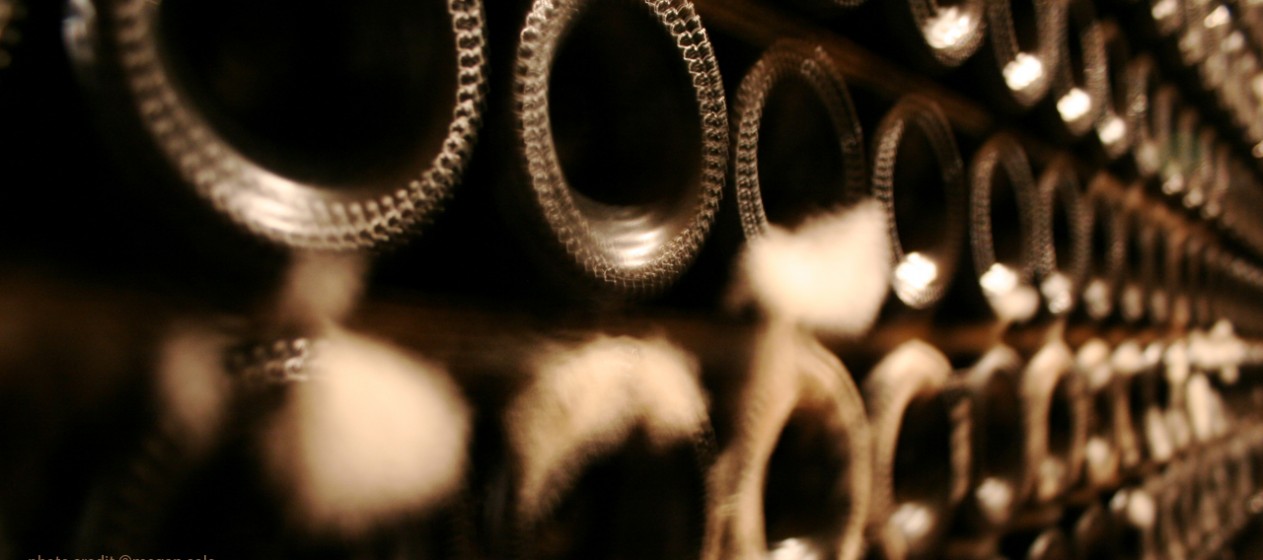
A review of Richard Juhlin’s rather large book, A Scent of Champagne Richard Juhlin’s Scent of Champagne immediately evokes a sense of luxury befitting his subject. Broad and heavy in format, printed on fine paper with high detailed photos, Juhlin’s tome is the sort of thing one might conspicuously display on broad coffee tables populated by any of the latest fashionable art monographs. The opening sentence of Juhlin’s prologue sums it up nicely: “How beautiful.” Beautiful this book surely is, very much capturing the fantasy that Champagne marketers wish to project upon the world.
Beyond the fantasy, however, one might ask what is the practical use of such a book to someone in the wine world? There is a certain irony to this question. Those in the world of wine, whether its producers, its marketers, its salespeople and servers, its commentators and critics, and most importantly, the informed, interested consumers, normally desire something useful from their wine books: technical, sociological, historical, sometimes even gastronomic. Aesthetics, though appreciated, are something entirely different. The irony, of course, is that there is little particularly useful about fine wine itself. Sure, it’s a social lubricant. In days that safe water was lacking, wine offered sanitary refreshment. There are certain health benefits (anti-oxidants, etc.). And, many of us have convinced ourselves there is a natural liaison between certain wines and certain foods. (“Natural” in this case is at least partially a social construct. Palates trained according to western European paradigms respond to certain wines differently than those acculturated otherwise: the sensations of what it is to be sweet or sour, dry or bitter, differ. And plenty of non-imbibers relish their dishes just as heartily as those who also take the grape.) But, for bare utilitarian purposes, fine wine is superfluous.
Still, few of us live in an austere world of utility (and certainly not those who bother reading this commentary). We need our art, our beauty, our pleasures, Champagne, among them. Juhlin’s ardor for Champagne is evident from the start. More than a book about Champagne, Juhlin’s Scent of Champagne is about his love for Champagne, and his love for his love for Champagne. And, his love for himself for loving Champagne so much. Turning Scent’s colorful pages, it is as easy to be swept along by the author’s passion for the stars that Dom Perignon was said to have tasted as it is to be annoyed by his self-adulation. (One should thank him, however, for not repeating the myth that Dom Perignon created Champagne).
Juhlin celebrates himself as being the world’s greatest Champagne taster. Certainly, he has tasted a lot of bubbles in his life. (The book on review has scores for 8000 wines). More than quantity, however, Juhlin’s book seeks to confirm his credentials as a master taster, able to discern, blind, both vintages and producers for wines dating back to the 1920s as related from Beijing by Edouard Cointreau in the book’s forward, and later, by his friend and colleague Karsten Thurfjell, a Swedish writer. (That praise for an author comes in the forward is no surprise. That it has to be affirmed again in 1400 words at the end of chapter one speaks to something else). But, Juhlin’s olfactory superpowers, both in immediate experience as well as in memory, seem to have downsides, too. For, the man who can sniff out the nuances that separate two unmarked wines as coming from the 1934 and 1945 vintages, and then identifying the houses that produced them, Bollinger and Piper-Hiedsieck, respectively, must also deal with a world
The horror…
of stale cigarette butts, showers of cheap perfume, and his apparent bête noir, the scent trail of [soiled] dishcloths. (One cannot help thinking of Patrick Suskind’s anti-hero Jean-Baptiste Grenouille, though Juhlin’s assures us that he can stink like the best of us. His stink just doesn’t bother him, unlike Grenouille, who was bothered precisely by the fact that he didn’t smell – that is, stink, at all). No doubt, each of us is challenged by life in his own way.
One wonders if all those scents affected Juhlin’s ability to say much of substance.
Chapter one articulates Juhlin’s journey into the world of the magical beverage he loves so much. In the second chapter, Juhlin attempts some explanation of the Champagne region and the wine in general. He does a spotty job of it. Juhlin talks chalk and has some striking photos of the white stuff. He says the quality and quantity of chalk in the Champagne region’s soil determines wine quality, but other than saying that vineyards in the chalk-deficient department of Aube aren’t as fine those in departments to the north, he doesn’t offer more detail. Maddeningly, there is no explanation of what is meant by grand cru versus premier cru. Do the terms refer to vineyards or to villages or to estates à la bordelaise? A map that seems recycled from an old edition of Robinson/Johnson’s Wine Atlas does list the names of Champagne village classifications, separating them between Grand Cru and Premier Cru, but in the Premier Cru list, villages are separated by percentages that are unexplained. One might infer that 99% Mareuil-sur-Aÿ means that 99% of the village’s vineyards are classified Premier Cru, but what about the figures 95% and 90% for Bergères-lès-Vertus, (white grapes and black grapes, respectively)? Again, one can guess (or know from one’s one study), but why wouldn’t Juhlin explain? Are there differences other than chalk content soil that differentiate one classified village/vineyard from another? Slope, exposition, drainage, for instance? And, does Juhlin even have an opinion on whether this classification system is adequate, let alone fair? Juhlin doesn’t say, and one suspects that he doesn’t really concern himself with such matters. Other than noting that Pinot Meunier is frost hardy and therefore widely planted in the cooler portions of the Marne Valley, Juhlin also doesn’t discuss other reasons region’s main grape varieties (Chardonnay, Pinot Noir, and Pinot Meunier) are planted where they are. And, what about the differences between designated growing regions such as Montagne de Reims, Côte de Blanc, Côte de Sezanne, etc. Are they meaningful? Even casual Champagne lovers might want to know.
Juhlin’s explanation of the process Champagne is more thorough, though he barely mentions the considerations that go into the step of dosage, the post-disgorgement sweetening of the wine that is far from incidental to the final product. Calling dosage merely a “sugar solution,” There is no mention that some producers favor their liqueur d’expédition to be made from sweet grape must or wine, or sweetened brandy over just simple syrup. He describes different kinds of Champagne: non-vintage, sweet Champagne, vintage Champagne, blanc de blancs, blanc de noirs, prestige, vinothèque, unsweetened, and rosé, categories we might understand, but he does not explain (or even mention) the explicit, official classifications for wine style: brut zéro, extra brut, brut, extra-dry, dry, demi-sec, and doux, which are determined by the wine’s residual sugar. Juhlin disdains sweet styles of wine, and dislikes unsweetened (brut zéro/non-dosé) versions, too, but he seems unconcerned with variations within the most common type: brut, nor how some producers have gradually changed their dosage to accommodate shifting tastes. Is it just me, or does Veuve Clicquot Yellow Label Brut seem less sweet than before? (Still too cloying for my taste). And what about difference in dosage for different markets? Does a brut always taste not so sweet?
Chapter three gives Juhlin’s advice for enjoying Champagne. Juhlin explains how to pack bottles for transport on an airplane (hard sided luggage, not too crowded), how to store these wines, and advises how to open and serve bottles (did you know that flying Champagne corks are the number one cause of eye injuries in France? Attention! And, even if the statistic isn’t true, it’s good to remain vigilant. No word, though, on the number of wrists slashed by people trying open their bottles via saber). Once poured (ideally into glasses he designed, in machine-made or hand-blown options) Juhlin offers sensible advice on how to taste Champagne. Look at the wine’s color, first, then its mousse (though, it is admitted that one can only judge its quality by the way it feels in the mouth), then smell – first, without swirling the glass, second, by a gentle twirl. Ideally, we’d be able to smell like dogs and catalog these scents like humans. After a whirl or two, one gets down to tasting, an exercise that is both natural and also cultivated. Juhlin is certainly correct that, intrinsic talent for some aside, tasting well takes a lot of practice. Keep at it for a few years and one can truly be a connoisseur. And, by the way, it’s better to enjoy Champagne outdoors, at the snowy foot of the Matterhorn, on a grassy slope below Sacre-Coeur (though look out for the merde de chien!), on Hermitage hill in the Rhône, etc.
Lest one be carried away by the indulgence of it all, Juhlin cautions the reader about the hazards of excess alcohol consumption. One can be assured, though, that the liver senses the nature of the beverage consumed. Apparently, the liver favors Champagne over beer. That’s probably because (according to Juhlin) – “disregarding the alcohol,…[Champagne] is almost a health drink. Few drinks are as clean and rich in anti-oxidants and minerals as real champagne.” Lest other wine be excluded: “It is now fully established that the risk of cardiovascular disease decreases significantly because cholesterol levels are reduced if you drink a few glasses of wine a day.” (p. 93). A few glasses per day? Three or more? One glass per day, three or more per week is what studies tend to say. Of course, there is no word on liver cirrhosis, but who wants to spoil the party?
(Speaking of parties, here’s a suggestion for when things grow dull)
In Chapter four, Juhlin offers some advice on visiting the Champagne region. Once again, his enthusiasm bubbles forth with useful suggestions for tours, board, and lodgings. In the same chapter, Juhlin provides profiles of three Champagne
Biodynamic grower-producer Franck Pascal on top. Juhlin, though respectful, is less impressed. (Courtesy Louis-Dressner)
producers, one a family producer (Jean-Marc Lallier-Deutz, Deutz), one conglomerate (Benoît Gouez, Moët), and one a grower-producer (Jacques Diebolt, Diebolt-Vallois). Juhlin apologizes for profiling only three producers in a book where 8000 wines are discussed, but says that is all he really has room for in the current 400 page book. Perhaps more room could have been found if Juhlin devoted fewer pages to lauding his excellent sense of taste. In any case, the three profiles he does devote space for are unsatisfying, offering no sense of the concerns, ecological, viticultural, production, or marketing that undoubtedly occupies the thoughts and activities of these three men. Rather, we are treated to superficial biographies of Messieurs Lallier-Deutz, Gouez, and Diebolt and a sense that they lead rather nice lives.
Chapter five is Juhlin’s history of the Champagne region, from the Romans to Dom Perignon (“only one of a number of people who developed the process” – Actually
Cool Chillin’ for those who can’t get to the foot of the Matterhorn or a grassy slope below Sacre Coeur.
it isn’t at all certain that Dom Perignon had anything at all to do with the deliberate production of sparkling wine. His interest was more in preventing bubbles) to Versailles to the French Revolution to phylloxera to the belle époque to World Wars to Hollywood’s, Grand Prix racing’s, and Hip-Hop’s embrace of Champagne. The chapter is attractively illustrated, with historic engravings, imagines from editorial and advertising graphics, movie stills and photos. Alas, Juhlin sketch of history overlooks the work of monastic communities in development of the Champagne region, the effects of secularization following the (French) Revolution (revolutionaries apparently like Champagne, too), the influence of the Russian royal family (though their demise is noted), development of production standards and debates on the current expansion of vineyards now allowed to produce Champagne.
These chapters consume but 135 pages of the tome’s 399, barely one third. The rest is composed of Juhlin’s Lists. Chapter six offers a list of the 100 Best Champagnes of All Time, a list rating vintages, another of top wines broken down by time period, yet another listing the 100 Champagnes You Should Try Before You Die. The lists are genuinely entertaining reading, showcasing Juhlin’s strengths as a taster and connoisseur.
One marvels at the wines the man has tasted, dating back to first half of the 19th century through the great vintages of the 20th and 21st, and his tasting notes are as evocative of the wine in front of him as well as the appreciation Juhlin has for the opportunity to do so. In addition
Though Charles Heidsieck’s Blanc de Millennaires 1995 earns a mere 94 points from Juhlin, it ranks among my great favorites. (Photo credit: Benjamin Henon)
to his comments, Juhlin scores his wines, using his version of a 100 point scale. I say “his version,” since for Juhlin, 50 points marks an average wine, not spoiled, drinkable if one must, but without enthusiasm. In contrast, wines scored 50 points by every major wine publication would probably be best used as drain cleaner. Critics of the 100 point scale often take issue with its appearance of scientific accuracy. 100 points being perfect, 99, slightly less so, etc. The idea that there is a quantifiable sensory difference between a wine scoring 93 points versus one scoring 94 might legitimately be met with skepticism. What then is one to make of Juhlin’s fractional scoring: 99.9 points for 1938 Krug (his number 2 wine), 98.6 points for 1969 Jacquesson Dégourgement Tardif (no. 29), 98.5 points for 1966 Bollinger (no. 35 – five wines, nos. 29-33 earned 98.6 points)? To be fair, all the decimal points are used only in his Top 100 list and not later (in Chapter seven) in his Producers and Their Wines section. But there is unsettling about the implication of scientific precision when talking about what are essentially fantasy wines. Speaking of fantasy, Juhlin’s Platonic ideal of Champagne is realized in a bottle of 1928 Pol Roger Grauves, his top wine at 100 points.
Chapter seven is devoted to a comprehensive, if not complete, list of producers and Juhlin’s scores for their wines, 8000 in all. It’s a terrific compilation, perhaps the most useful feature of the book. Juhlin provides background information for each estate listed as well as contact information. Especially helpful is information varietal blends for nearly every wine rated. Again, Juhlin rates his wines on a 100 point scale, but he provides two ratings. First (in parentheses) is a wine’s latest score. Second is a wine’s potential score some time in the undetermined future. One wishes for a crystal ball to figure out when that time will come, but, well…
A Scent of Champagne is a book for casual enthusiasts of Champagne, or, perhaps, enthusiasts of the Champagne lifestyle. It is full of beautiful pictures and would certainly look good on many a coffee table. Those who actually read it could get swept away with by Juhlin description of the tastings he has organized and dream of the wines he has tasted. That said, the industry professional interested in learning something concrete about Champagne won’t derive much from the book. There are useful elements for sure (like contact information for producers and a few restaurant recommendations), but these can be found in multiple other, more comprehensive sources. Richard Juhlin is not widely known in the US (and I will admit that I didn’t know of him before), so it is difficult to assess his actual influence in the broader world of wine. But, his enthusiasm is infectious, and if it inspires one to pop a cork or two, bravo for him.
Richard Juhlin, A Scent of Champagne, Skyhorse Publishing 2013, $75
Homage to Catalonia (and Apologies to George Orwell)
People often say that they like the wines of a particular country: French wine, Italian wine, hell, even sometimes Californian wine (not a country, check). But, what does that mean? Does someone who loves Bordeaux necessarily like Alsatian wine, though they are both within the borders of France (some Brits still quip that Bordeaux is properly British, and, some Germans, well, let’s not go there…)? Or Is a lover of Sierra Foothills Zinfandel necessarily enamored of Russian River Chardonnay? Of course not.
How about those accidents of history, where a natural wine region falls within the borders of more than one country or state? Friuli, in Italy and Slovenia, the Columbia Valley, which traverses the frontier between Oregon and Washington State, Tokaji, which rests in Hungary and Slovakia? And, Catalonia – mostly in Spain, but in France, too.
Catalonia – a semi-autonomous province of Spain and the second part of the hyphenated region Languedoc-Roussillon – has been making distinctive wine for at least two millennia. At various times various territories that might be called “Catalan” have been ruled by Greeks and Phoenicians, Romans, Iberians, Arabs, Aragons, Mallorcans, Austrians, Castilians and French. In a word: Mediterraneans.
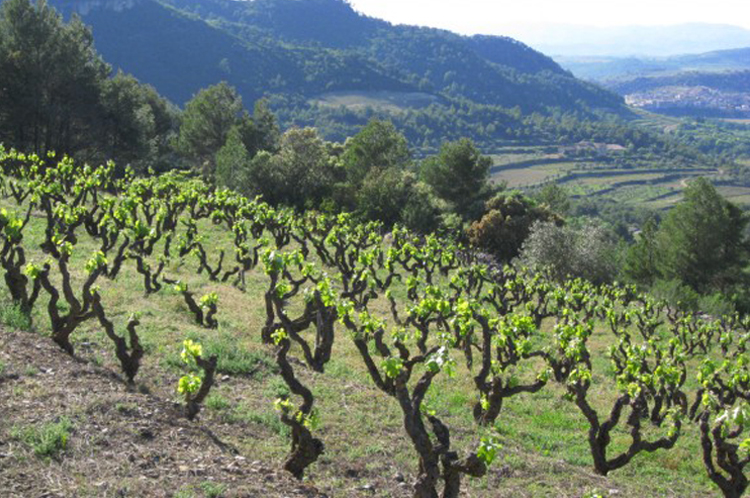
Bracketed by the Mediterranean as it curves from southern France along the eastern shores of the Iberian peninsula, Catalonia is a Mediterranean region par excellence: warm and sunny, with dramatic landscapes brought on by mountain ranges that essentially collapse into the sea. It is a land of great geological and topographical diversity, with multiple soil types and nearly as many micro-climates. At higher elevations, the region’s wines can be rather delicate. From vines growing on steep, sun-saturated slopes, the wines roar with power.
Catalonia is home to sparklers made in the classic method (méthode champenoise): 95% of Spanish cava is made in Catalonia, and a large amount of bubbly is made on the French side, half an hour from the place some refer to as “northern Catalonia.” Many of the world’s most distinctive sweet wines are made in the region, most famously the dark, Port-like wines of France’s Banyuls region, mere minutes from the frontier with Spain, and some luscious analogs from Priorat. And, one cannot overlook the great, oxidized rancio wines of Rivesaltes in France and their cousins vi ranci from Terra Alta in Spain.
Join Palate Savvy on Thursday, May 24, 2012, as Palate Savvy and Jamal Rayyis walk you through the world of vi català/vino catalan/vin catalan. We’ll taste sparkling wines from Penèdes and Limoux, whites from the Montsant and Côtes Catalanes, reds from the Priorat and Collioure, sweet wines from Rivesaltes and Terra Alta, and a surprise or two.
This is a rare opportunity to compare kindred wines from two of the most exciting regions of France and Spain. Please mark your calendars.
Simple appetizers will be served.
Details
Date: Thursday, May 24, 2012
Time: 7-9pm
Place: Maison de la Région Languedoc-Roussillon
10 East 53rd Street, ground floor
between Fifth & Madison Avenues
Train: M or E to Fifth Avenue, 53rd Street; 6 Train to 51st Street
Cost: $65 per person
Attendance is limited to 30 people and reservations are essential.
For reservations & information, please write: reservations@palatesavvy.com, or call 917 843 5670
REGISTRATION IS CLOSED! THANK YOU FOR YOUR INTEREST. ANOTHER TASTING OF CATALAN AND OTHER WINES WILL BE BE ANNOUNCED IN THE NEAR FUTURE.
Sud de France NYC Festival, Final Week of Tastings
During the past month, wine shops and restaurants throughout the city have been plastered by colorful posters announcing the Sud de Franc festival, part of the Languedoc-Roussillon region’s campaign to promote its wines and products.
During the festival, I have taught two classes at the Maison de La Région Languedoc-Roussillon (10 E. 53rd St, NYC). The first was on wines from the Pyrénées-Orientales with Mark Fine, who represents the wine house Gerard Bertrand in the US and has the ability to pull rabbits out of wine bottles. The second, solo, focused on the wines of Hérault.
Keeping with the “départementale” theme (that is, each tasting revolving around the wines of a particular département of the L-R), tomorrow, Tuesday, June 26, I’m showing up to provide background on the wines of the Lozère. Oh, wait, they don’t make much wine there, mostly animal products, dairy and various meats. Hmm. Okay, I’ll say something – maybe, about the cheeses of Lozère (there aren’t many available in the US), and something about wines from the Languedoc in general. A very good list: White – Font Mars Picpoul de Pinet; Rosé: Château Maris Old School, Château D’oupia Minervois; Red: Château Maris Syrah, Chateau Maris Old School Red, Chateau Fontanche St Chinian Les Terroirs, Col des Vents Corbières, and Domaine de Nizas Coteaux du Languedoc. Joining me will be Vladimir Garcia Encarnacion of Dry Dock Wine + Spirits of Red Hook, Brooklyn. Or, more likely, I’ll be joining him. No matter, the wines will all be unusually good for such events (did I just say that? Yes, they’re not always that good), and while I’ve never met Vladimir, his name does evoke a certain revolutionary spirit, so to speak. That is always to be appreciated.
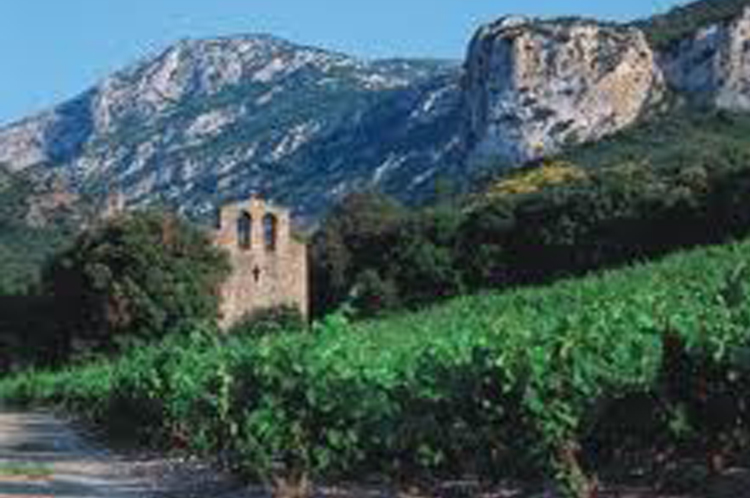
Thursday, I’m afraid things might not, might not, be so enchanting. For one, I’ll be teaching solo, that is, unless I can draw one of the Sud de France’s bright lovelies to tag team. The theme: the wines of the département of Aude. The Aude, which might be said to be the very large, sauvage hyphen between the Languedoc and the Roussillon, includes some of the region’s most well known appellations, including Corbières and Minervois, one of France’s best sparkling appellations, Limoux, and a few odd-ball appellations (including Limoux) that require both Mediterranean (e.g. Grenache, Syrah, Carignan, Mourvèdre) and Atlantic (e.g., Merlot, Cabernet Franc, Cabernet Sauvignon) grape varieties in the blend. To understand this anomaly, I invite you to attend the session. As for the wines: well, solid, if not quite as thrilling as Tuesday’s lot. Bubbly: Jamelles Méthode Traditionnelle Quality Sparkling Wine; White: Cirque Grenache Gris (I’m not actually sure about this one, since it comes from the Pyrénées-Orientales. I did not make the wine list, which relies in part on which wines various importers/distributors are willing to donate); Rosé: Château du Donjon Minvervois; Red: Villa des Anges Cabernet Sauvignon IGP, Puydeval Rouge IGP, Château du Donjon Minervois.
GrandeTradition. Unexpectedly, there are no wines from Corbières or another famous Aude appellation, Fitou, and none explicitly from the Med-Atlantic appellations, though the Villa des Anges and Puydeval no doubt are made from grapes from that general vicinity. The bubbly? Not Limoux, though the Jamelles website says grapes are mostly sourced from there. Because the blend, Chardonnay and Pinot doesn’t conform to certain Limoux rules, the wines can’t take the Limoux name (there are other reasons, too). In any case, the wine is made by the traditional method, what some refer to as méthode champenoise, so it won’t be total plonk. (Think of decent Spanish – sorry, Catalan Cava rather than Champagne. Speaking of Cava, the Seguras Viudas I had at the Revetlla de Sant Joan party last Saturday night tasted surprisingly good. Context, I suppose).
Both Tuesday’s and Thursday’s tastings run from 6 to 8.30pm (though they’ll really start closer to 6.30).
Location: 10 East 53rd Street between Fifth and Madison Avenues.
Cost: FREE.