A Unique, Wonderful Look at Lebanese Wine in New York
Whatever one thinks of the ascent of Michel Aoun to the presidency of the Lebanese Republic and the return of Saad Hariri as prime minister (see post below), one must say that in the realm of wine, the Lebanese have come together as never before. The challenges they have faced over the years have not entirely passed (see A Complicated Road: The Search for Indigeneity), but Lebanese winemakers are together putting their best foot forward to show their wines to wine professionals in New York who likely known nothing about the country’s wines beyond what they read about Chateau Musar.
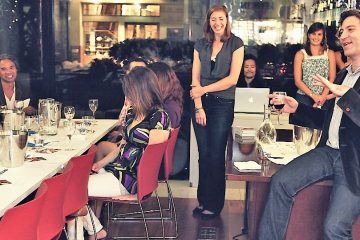
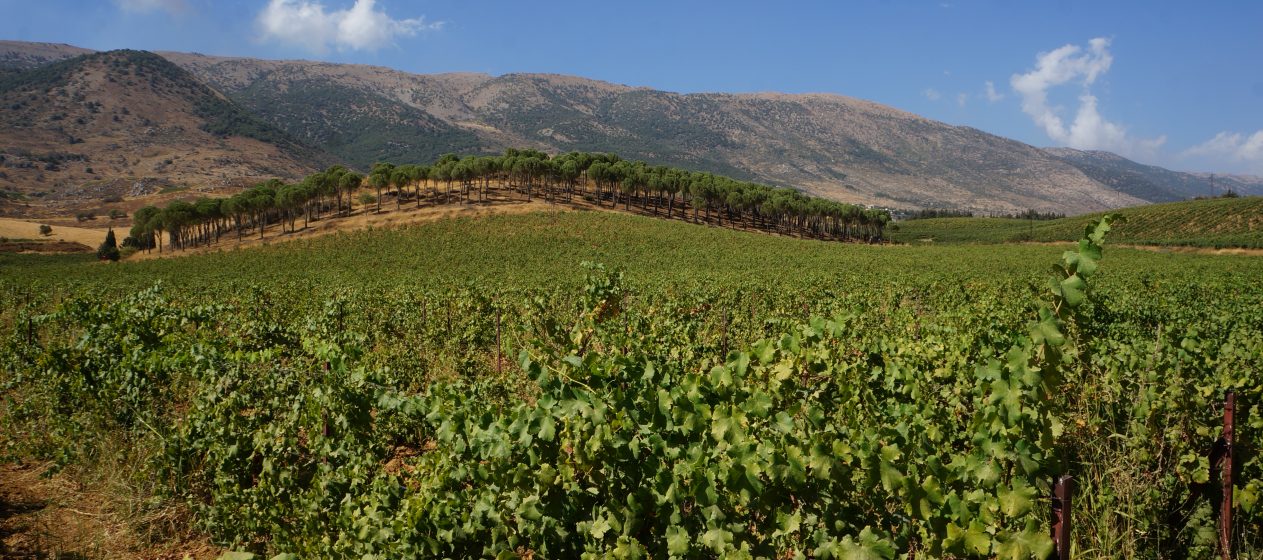
Indeed, there is far more stories to be told about Lebanese wine than that of always impressive Musar (like several thousand years worth), with 50 wineries in the country. Twenty-six of them are expected to present their wines at Astor Center on November 17. For those of us who have been following developments in the Lebanese wine world for the past thirty years, the chance to taste so many at once is absolutely thrilling. Indeed, there will be a number of wines that I have never tasted, or even seen outside of author Michael Karam and photo-journalist Norbert Schiller’s beautiful book the Wines of Lebanon or read about in the Zawaq Guide – Lebanon’s version of Gambero Rosso. While I have not yet seen the list of wines, I hope 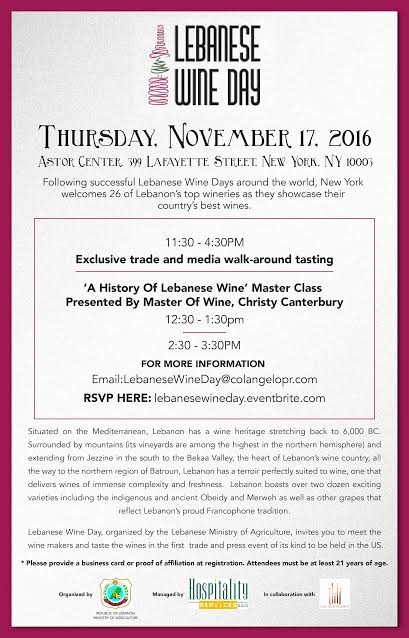 there will be a few made from little-known grape varieties rather than all-too-familiar Bordeaux blends. (Lebanese versions of the same can be unique – yes, terroir exists in the land of Bacchus.)
This event is designed to introduce industry professionals to Lebanon’s diverse wines. Christie Canterbury, MW, will lead two Master Classes on the subject.
Anyone interested in attending is welcome to write,
LebaneseWineDay@colangelopr.com, or register at lebanesewineday.eventbrite.com.
Lebanon Picks A President
 On the eve of the US presidential elections, we might well envy the state of affairs that existed in Lebanon – being free of an open campaign for president for over two and a half years. Granted, there was a downside to all this, namely, Lebanon was without a president during the same length of time. But, given the options, one might ask, would that be so bad? (I recall an essay written by Alexander Cockburn declaring just-deceased Gerald Ford the best president the US of the post-War era. The reason: Ford did the least harm both at home and abroad.)
Of course, the idea of an inconclusive US election is, frightening. If nothing else (armed right wing militias, a completely disabled Congress, a structurally divided Supreme Court), imagine the unending bile spewing from every pore of the orange-hued one’s body until final judgement is rendered. Or, would that be Final Judgement?
It would be disingenuous to say that that time Lebanon spent without a head of state passed quietly. Left to legislators, the government became almost completely dysfunctional, unable of even managing basic services like garbage collection. There were mass protests, and in response, there was some thuggery and more that bore terrible results.
In the end, a deal was brokered by which the two major, seemingly irreconcilable poles of Lebanese politics, the so-called March 8th and March 14th Alliances, agreed to share power. March 8’s Michael Aoun becoming president, and March 14th’s Saad Hariri, has been charged with forming a government as prime minister. If either character bore any resemblance to an honorable man, rejoicing would be in order. Instead, there is resignation, though, also, perhaps, relief.
Remarkably, Lebanon has managed to keep things together despite spillover from the horror show next door in Syria, the million Syrian refugees now in the country, frequent provocations from the Israelis, the threat of ISIS, and manipulations from a host of regional and global actors. And, if one closes his/her eyes really tight and whirls like a dervish, one might even imagine that, for a time at least, Lebanese politicians could have an interest in working together toward dealing constructively with some of the country’s grave problems.
Inshallah.
A Complicated Road: The Search for Indigeneity in Lebanese Wine
Wine & Spirits Magazine recently published a piece I wrote on  Lebanese wine: “Cinsault Rising: Lebanon’s Search for a Flagship Red.” I am grateful for the opportunity to write about the wines of Lebanon, something I have paid close attention to for a long while. In 2001, as I wrote the first of my seven editions of Food & Wine Magazine’s Wine Guide (2002-2008), I insisted that book cover wines of the Middle East, the Caucuses, and eastern Europe, regions that had been ignored previously. (That was well before the cool-kid interest in amphora-fermented Georgian wines, a topic I’ll revisit soon. In the meantime, Alice Feiring’s book on the subject provides a fascinating, personal take on the wonderful wines of that country).
Those who know me aren’t at all surprised in my interest in Lebanese wine. Despite what many assume because of my profession and my visage, I am not Lebanese, but, rather, Palestinian – of mixed heritage, ethnic, Arab and Armenian, and confessional, Muslim and Christian. I mention these identities not because of any inherent relevance to the current subject, but because they undermine the complex world of assumptions make – mostly by non-Levantines – about the cultural practices people from that part of the world engage. That is, Middle Easterner society has for millennia, been cosmopolitan, with multiple ethnicities, languages, religions, and social groups living with one another on a daily basis. Like any other part of the world, there are periodic conflicts between various groups. Sometimes these conflicts have become gruesome. But, more often than not, the lines between conflicting parties cannot be drawn so easily between one religious or ethnic group, or other.
The various traumas suffered by Lebanon in the 20th and 21st century, illustrate the point. During the country’s 16-year civil war that lasted from 1975 to 1991, conventional perception in the West, particularly in the United States, reduced the war to one between Muslims and Christians. In fact, while one side, the right wing Lebanese Front (LF), was composed largely of Maronite Christians (though not totally), the other, the Lebanese National Movement (LNM), a coalition of left wing movements, multi-confessional in principle, Sunni Muslims, who were numerically dominant, Greek Orthodox Christian, Greek Catholics (Melkites), Druze, some Shiites, especially those lead by Musa al-Sadr, founder of Amal (the Shiite community largely depoliticized at the time and stayed neutral. Al-Sadr withdrew his support as the Iranian revolution took place, and was widely to have been thought to have ‘disappeared by Libya’s Muamar Ghadhafi in 1978), and a number of Maronites, too. (It should be added that many in these multiple communities did their best to stay out of the conflagration).
Various factions of the secular Palestine Liberation Organization (PLO) were also part of the movement, taking a leading role until, at least, the Israeli invasion of Lebanon in 1982. Generally speaking, the Lebanese Forces welcomed or actively collaborated with the Israeli army. But, alliances shifted during the war according to immediate need. At some times, emergent Shiite militias battled Palestinians. At others, they fought the Israelis. The Syrian military entered the conflict in 1976 with the tacit understanding of the Israelis to keep the Palestinians from defeating the Lebanese Forces. Then, Syria supported the LNM and the PLO (sort of). Afterward, they supported an inter-Palestinian revolt against Yasir Arafat and his leadership of Fateh, the largest bloc within the PLO, which had been largely exiled to Tunisia. Israel occupied the south of Lebanon and sponsored the so-called South Lebanese Army (SLA) composed largely of poor Shiite soldiers lead largely by Maronite officers. But, the SLA – and Israel, were pushed out of Lebanon largely by the Shiite militia Hizbullah in coordination, sometimes, with another Shiite militia, Amal. Oh, and, some Palestinian fighters, too. Somewhere along the way, Amal fought battles against the Palestinians. And Hizbullah and Amal sometimes came to blows. Did I forget the Armenians? Largely neutral, though some were clearly allied with the especially left-oriented sectors of the PLO, and some were partisans of the right-wing Lebanese Forces. We can add the Kurds, to the mix, too. And, among (right wing) Maronites? Often divided between rival, feuding clans, or, arriviste groups, sometimes co-operating, sometimes in battle against one another. In the present day, the once militantly anti-Palestinian/anti-Syrian general, Michel Aoun, supported by Iraqi Ba’athist President Saddam Hussein, a Sunni Muslim who hated Syrian Ba’athist President Hafez al-Assad, came around years after the civil war to lead a Maronite party that is in a pragmatic alliance with Hizbullah, both supported by Syria. His strongest rival within the Lebanese Forces, Samir Ja’Ja’ (also spelled ‘Geagea,’ or, as one of my favorite commentators on the Arab world, Asad Abu Khalil says, “‘Ga’ga’ in Egyptian dialect”), who occasionally had the operational support of Syria, then went strongly anti-Syrian, and has been supported in the last few years by Wahabist Saudi Arabia (itself strongly anti-Syrian, and anti-Hizbullah), is now endorsing Michel Aoun (still pro-Syrian-regime and allied with Hizbullah) for the presidency of Lebanon. Meanwhile Hizbullah is grown lukewarm in its affections for Aoun, All to say, assumptions don’t last long in Lebanon.
Well, except for one: Lebanon was, and remains, a mess.
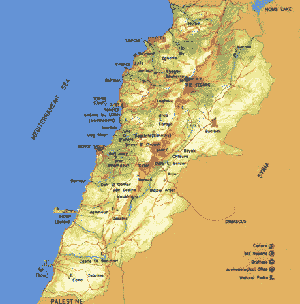
What does this have to do with wine? When I first proposed my Lebanon wine story to Wine & Spirits, I envisioned that it would be around the search for the great, indigenous Lebanese red grape. I knew that there was some interest in the matter, but up until the present, I hadn’t heard of any results. The lack of one struck me as odd for several reasons. For one, there are at least two white wine grapes that have been identified as indigenous: Obeideh (alternatively spelled Obeydi, Obeida, Obaydi, Obaydeh, etc.), and Merweh (aka Merwah, Merwi, Merwey, etc.). For another, tiny Lebanon has an incredible diversity of terrains and microclimates, at least 14 in a country that is two-thirds the size of Connecticut. And, for yet another, Lebanon, like Syria, like the Anatolian highlands and plains, and, most famously, the steppes of the Caucuses, currently Georgia, Armenia, and Azerbaijan, is where wine culture started several millennia ago. And, finally, Phoenician merchants and colonists who established capitals in what is today Lebanon, spread wine and vine culture throughout the Mediterranean basin. As the Wine & Spirits article says, the Phoenicians brought wine to France.
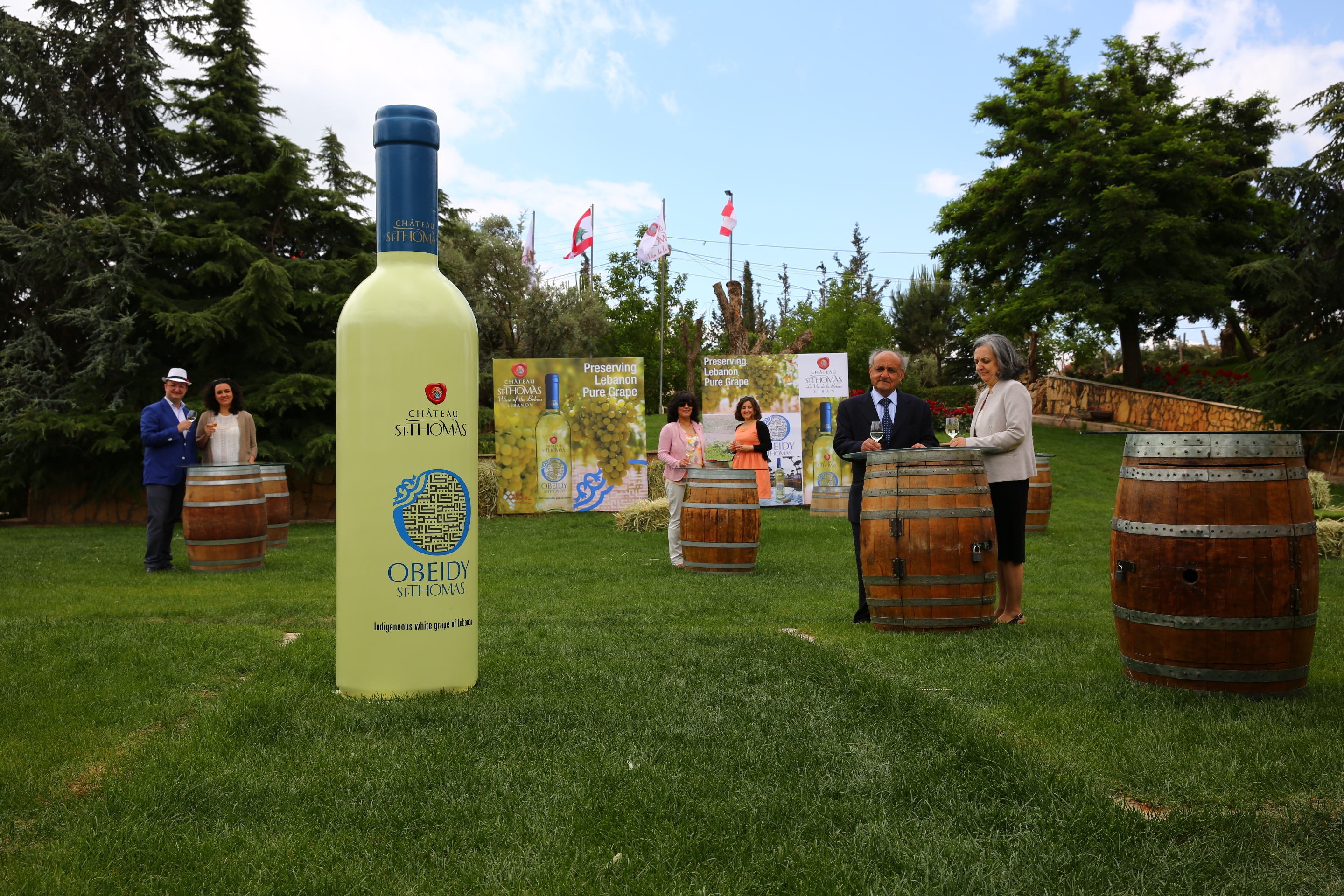
Over the years, I raised the issue about an indigenous red several times, not the least of which to Serge Hochar, the late, charismatic driver behind Château Musar. Musar’s Château white, a wine that Serge was especially proud of, is a blend of both Merweh and Obeideh. In her tome Wine Grapes (Ecco, 2012), Jancis Robinson, et al. identify the former as Sémillon, the latter as Chardonnay. But, DNA evidence indicates that Obeideh, at least, is its own thing. I have not yet seen any definitive reports that prove the same of Merweh, but Gaston Hochar, one of Serge’s sons and now director of Musar, is adamant that it is, indeed, autochthonous to Lebanon. Because Merweh favors the mountains, as opposed to the Beqaa Valley where the great majority of Lebanon’s wine grapes come from, it is used by only a small number of wineries, among them Musar and Tazka. (Last year, Isabel Kershner of the NY Times wrote a piece talking about the providential discovery of an ‘Israeli’ indigenous grape called ‘Merwi,’ asserting that Israeli winemakers could now make wine like they did during the time of Jesus. Lebanon, which didn’t fit into Kershner’s obsessive need to proclaim Israeli exceptionalism, was not mentioned, though a side note was made of the fact that Palestinians have been using the grape for a time. Yeah, like for several millennia.)
About an autochthonous red, Serge told me more than once, “We’re looking, somewhere in the mountains, and we’ll find something.” Unfortunately, Serge never definitively found that grape before he passed at the end of 2014. Son Gaston laments that his father simply was too busy with other matters to undertake the sustained effort a discovery would require.
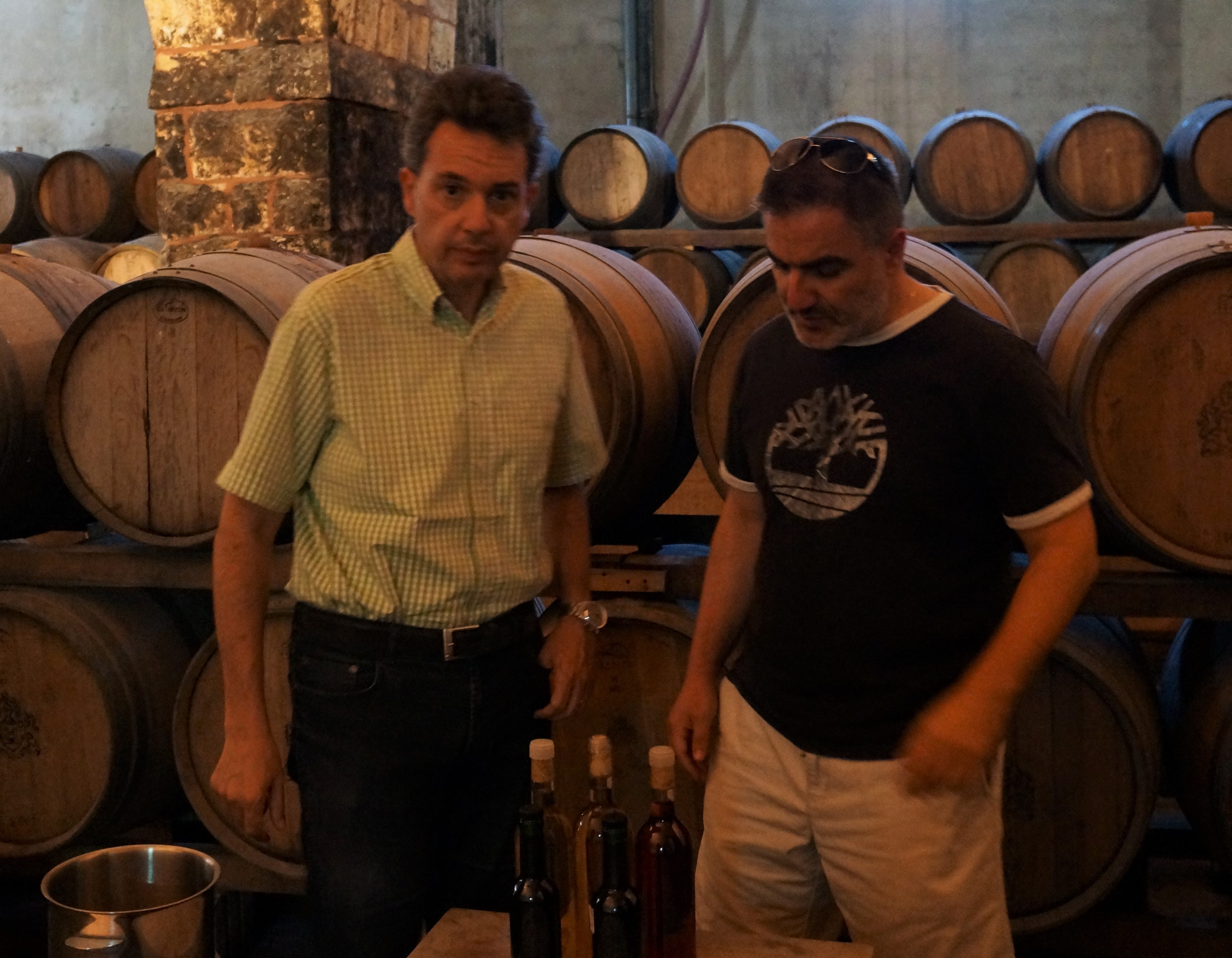
That said, both Gaston and Tarek Sakr, Musar’s winemaker since, have remained dedicated to the quest and made reference to a red grape discovered nine years ago in the mountains above Byblos, an ancient town on the coast north of Beirut, that holds promise. Yet they are tight-lipped about what it might be. “We don’t have it in quantities that can even make enough wine for meaningful experiments,” Tarek says. Sensing my disappointment, Gaston promises that will change soon.
Musar is not the only winery in Lebanon interested in an autochthonous red grape. Ramzi Ghosn of Massaya says that he and his brother Sami found red grapes (again, unnamed) in the village of Baskinta on Mount Lebanon that seemed promising, but ultimately proved disappointing. “Not even good for blends,” laments Ghosn, “but we are sure there is something else.”
Aziz Wardy of Domaine Wardy points to Assouad karech, an indigenous red wine grape identified by the French Institut National de Recherche Agronomique (INRA), but he knows no one who has used it.
Resources for research are a major problem. The trauma and destruction of 15 years of civil war, 20 years of Israeli occupation with several subsequent attacks, and a 30-year Syrian military presence, plus multiple assassinations of political leaders, partisan tensions, corruption, the general dysfunction of the Lebanese state, and now, spill-over from the civil war in Syria, have made it nearly impossible for there to be sustained research into local viticulture. In 2000, the Lebanese parliament authorized the creation of an Institut de la Vigne et Vins to be established the following year. It took until 2012 for it to be formally established, but without a budget. A project to do a real study of local viticulture needs state support. “And, we don’t even have a state,” declares Hochar. (Lebanon has been without a president for over two years). In the meantime, the trade group Union Vinicole du Liban (UVL) has formed a committee of five wineries—Musar, Wardy, and Châteaux Ksara, Kefraya and St Thomas—to study indigenous grapes in coordination with France-based Wine Mosaic.
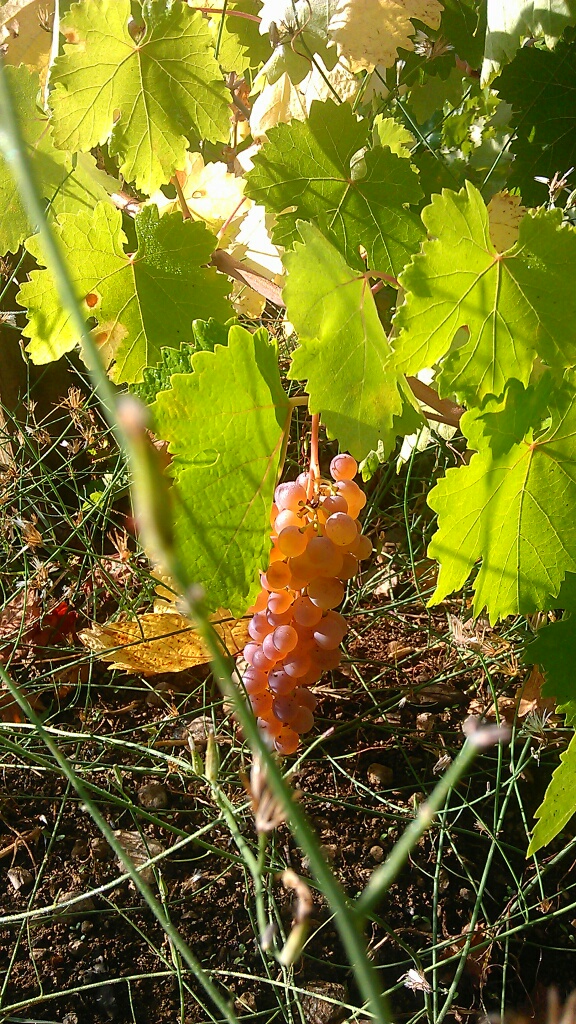
There is a lot of work to do. While local white grapes Obeideh and Merweh are in commercial production, 22 grape varieties in total have been identified by the French Institut National de Recherche Agronomique (INRA), as autochthonous to Lebanon, including some red grapes. Many of these are table grapes, or used for distillation. Others, well, no one really knows, because sustained research has not yet been done.
This uncertainty, ironically, offers some Lebanese winemakers certain intriguing possibilities. During my visit to the country in autumn 2015, two, Ramzi Ghosn of Massaya and Faouzi Issa of Domaine des Tourelles independently rejected the idea that common Mediterranean grapes in Lebanon – Cinsault, Carignan, Grenache, or Mourvèdre – are without question, foreign to Lebanon. “We just don’t know,” says Issa, “we haven’t done the proper DNA tests or comparisons. Maybe, these grapes really did start here.” In any case, there is no question that Lebanon’s Mediterranean climate has provided a hospitable home to these varieties since at least the establishment of Lebanon’s modern wine industry by French Jesuit missionaries in the 1850s. And, as my story in the August issue of Wine & Spirits indicates, some have become effectively ‘indigenized.’
There is far more to say about Lebanese wine and the history, politics, and culture that surround it. Please check back in future for more thoughts on this fascinating subject.
Find the Cinsault Rising Story in the August 2016 issue of Wine & Spirits Magazine here.
The Passing of Two Lebanese Pioneers: Michel de Bustros and Serge Hochar
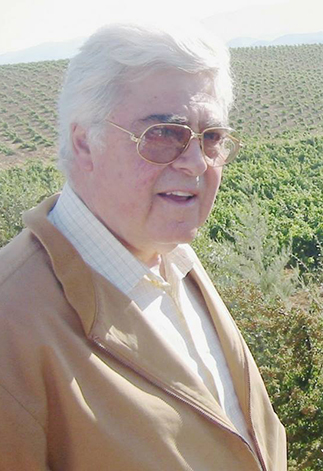
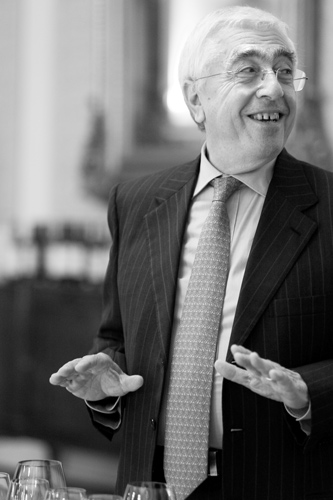
Earlier this week, I was saddened to learn of the passing of Michel de Bustros, the founder of Lebanon’s Château Kefraya. With the loss of Château Musar’s Serge Hochar at the end of 2014, Mr. de Bustros is the second iconic person Lebanon’s wine industry has lost in as many years. They were very different personalities. Serge was charismatic and cultivated a heroic, larger-than-life image of himself that was embraced almost anywhere he journeyed with his wine. Bustros was more formal, a quieter, more contemplative type (ergo, it seems more appropriate to use his surname). He loved opera and the arts, was involved in environmental causes, and while he offered a wonderful reception to visitors at Château Kefraya, he didn’t, to my knowledge, travel nearly as much as Serge, especially to the Anglo-Saxon markets in which Musar has enjoyed so much commercial success.
Yet, in their own way, each man was fundamental to the development of Lebanon’s modern wine industry. The uniqueness of Château Musar wines – plus the stories Serge spun about them – brought outside attention to Lebanese wines as never before. It is true that few wine drinkers – even wine professionals – knew something called “Lebanese wine” existed before hearing about Musar, and many to this day don’t even know the country has any wineries beyond Musar. Still, Serge opened the door, and the Lebanese wine industry is justifiably grateful.
All of Serge’s skills as a promoter would have come to naught if not for the distinct character of his wines. As a winemaker, Serge was unique, eschewing winemaking fashions in favor of his unique expression of what wine could be if allowed to do its own thing (that is, without allowing it to become vinegar). His ‘Château” wines (as opposed to two other lines of wines Musar makes ) were earthy and ethereal at
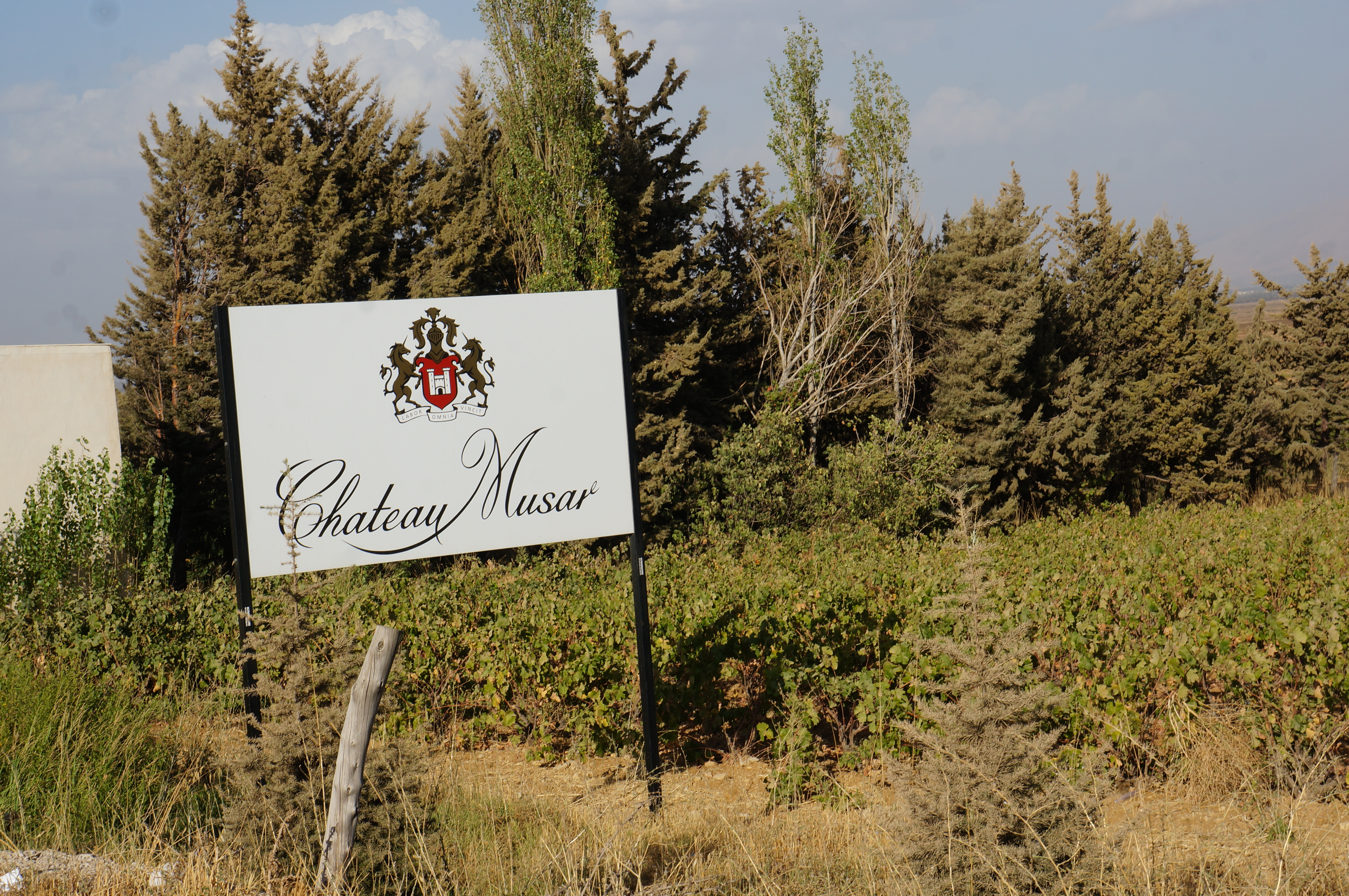
once, expressing some measure of fruit, but also earth, and sometimes more than a hint of volatile acidity. They aged remarkably well – a function of their vinification and the long nurturing Musar afforded them – ten years and more – before release. These were winemaker wines, and they expressed Serge Hochar’s personality well: a mix of charm and irony, generosity and a hint of the acerbic. Serge talked about vines, but until 1990, he didn’t own any, sourcing his grapes from the Beqaa and Mount Lebanon, trucking them over the Chouf range to his winery above the coast at Ghazir.
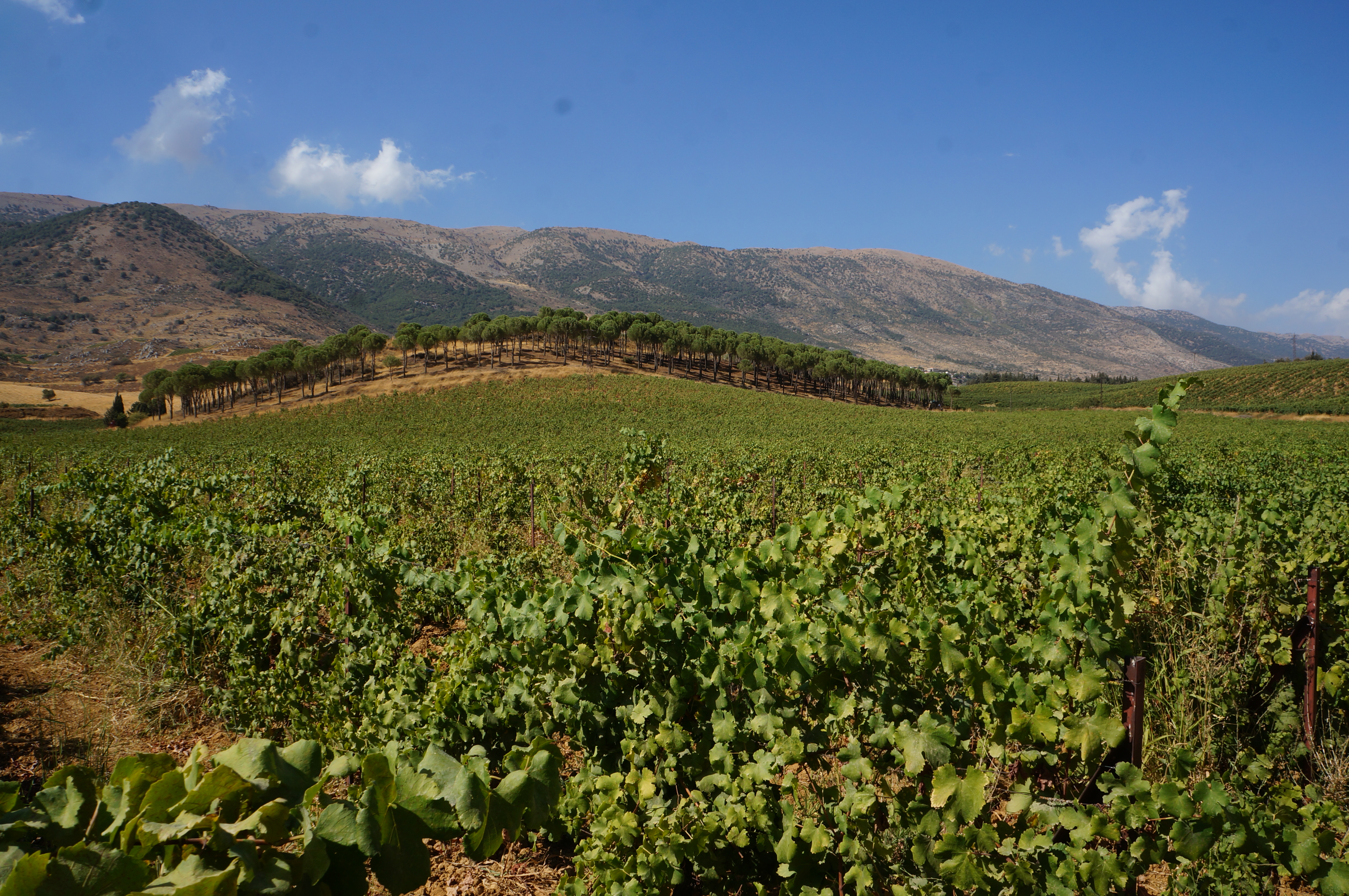
Michel de Bustros’ influence was different. He started as a grower, planting vineyards around the village of Kefraya in the south, western portion of the Beqaa Valley in 1951. While Bustros was by no means the first grower of wine grapes in the region, he was one of the few to specialize in them, as well as to pay careful attention to quality. (Unfortunately, one cannot say that about a lot of places in the wine world at that time).
For over a quarter century, the grapes were sold to the small handful of wineries that existed until the start of Lebanon’s civil war in 1975, as well as distillers of araq. Even Musar bought from him. In 1978, three years into the civil war that traumatized Lebanon until 1991, Bustros started Château Kefraya, a fool-hardy venture, perhaps, but one that survived and prospered. The wines did not have the same esoteric personality as those from Musar, but they were of high quality – remarkable considering some of the challenges Château Kefraya faced during the war. (All Lebanese, winemakers, included, suffered during those years. British and American journalists showered Serge Hochar with a hero’s praise for the ordeals he faced in his determination to make wine, no matter what. The stories of trucking grapes across battle lines and the turf of various militias are indeed impressive. But he was by no means the only Lebanese winemaker who faced challenges, and, the Musar winery, in an area that remained firmly under the control of Maronite militias, was not, to my knowledge, seriously threatened during the war (I am open to correction on this point, and I am not here making any political insinuations). Château Kefraya, on the other
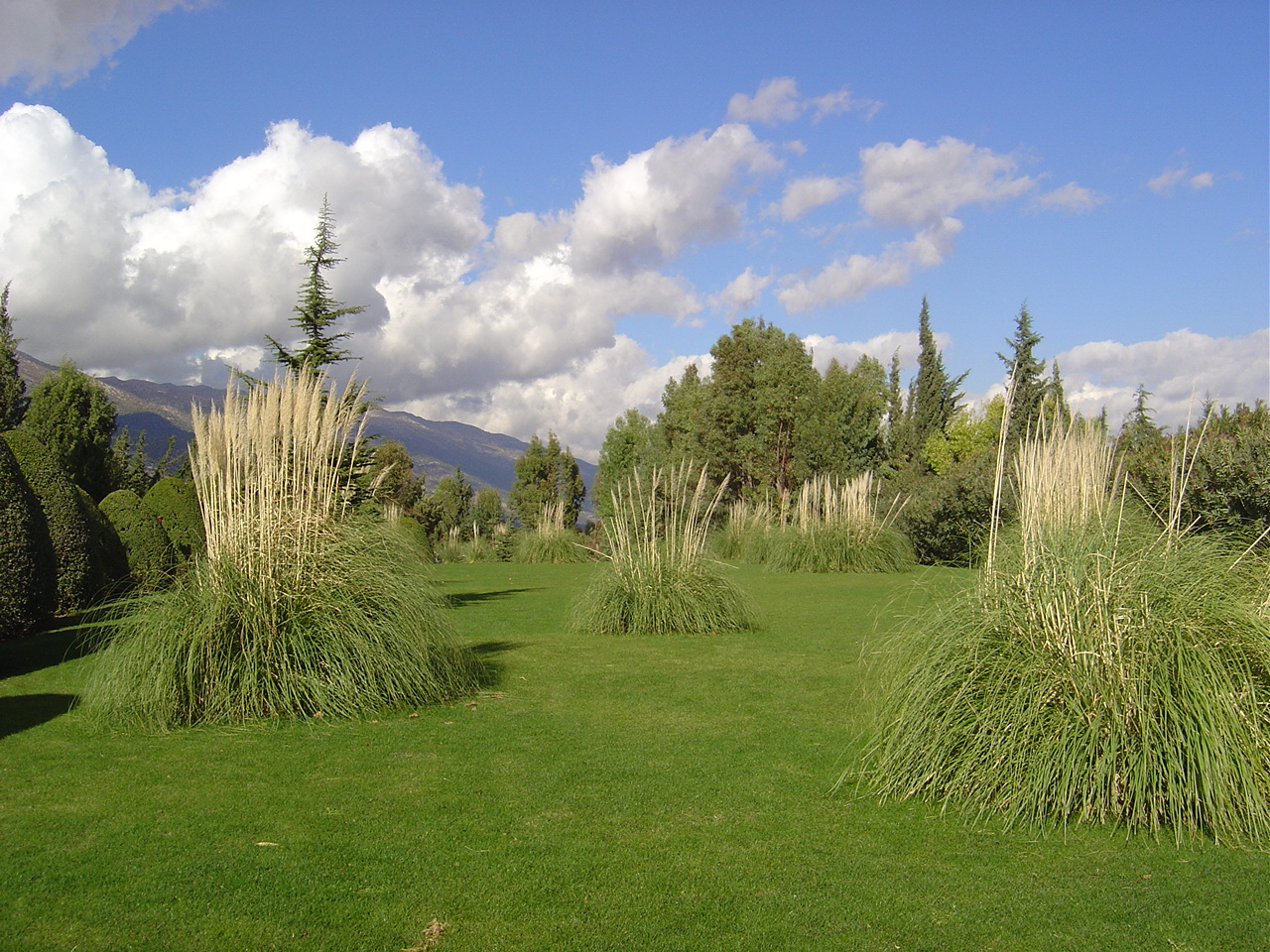
hand, had a large portion of its vineyards occupied by an Israeli tank company during its 1982 invasion of Lebanon, and Kefraya’s then winemaker, the long-haired, bearded Frenchman Yves Morard, was arrested and held by the Israelis for 10 days. After the war, Château Kefraya became a pioneer of the wine-lifestyle, opening a restaurant that served continental cuisine, and creating beautifully landscaped gardens named after composers of Bustros’ beloved operas.
Unlike Serge Hochar, Bustros, trained as a lawyer, didn’t make wine himself. Instead, he hired Frenchmen and Spaniards – the latter responsible for the Tempranillo planted in his vineyards. These winemakers, Yves Morard, Jean-Michel Fernandez (ex Château Citran) and Gabriel Rivero (ex Ch. Sociando-Mallet), each left their mark. Yves Morard took Kefraya through its early, difficult years, and subsequently worked at other local wineries before recently returning to take charge of his own, native Rhône Valley property. Jean-Michel Fernandez gained acclaim for creating Kefraya’s flagship wine, Comte de M, which earn 91 Parker points in 1997, that is, when Parker points had real significance. Gabriel Rivero continued the legacy, refining Kefraya’s wines until he got a better offer as winemaker/partner at Ixsir, which at the current time is arguably Lebanon’s most dramatic wine estate. Today, Kefraya’s winemaking and viticulture are in the hands of Fabrice Guiberteau, from Cognac.
There is far more to the lives of Michel de Bustros and Serge Hochar than I describe here. A significant biography will soon be released about the latter, though, for a more thorough look at the wine industry these two men created, one could do no better than read the engagingly told tales of Michael Karam’s book The Wines of Lebanon (Saqi Press, 2005). That said, both Serge and Michel lived brilliant lives though brilliant, if tragic times. I had the opportunity to raise a glass in Serge’s honor at a memorial event in New York last year. For Michel de Bustros, I raise another now, Verdi playing in the background, all in admiration of a life well lived.
Continuity & Renaissance: Long Island Enters Its Second Generation
It occurs to me as I post the article on Long Island wine that I wrote last fall for Gilbert & Gaillard International now, that Long Island wine launched my career as a wine writer.
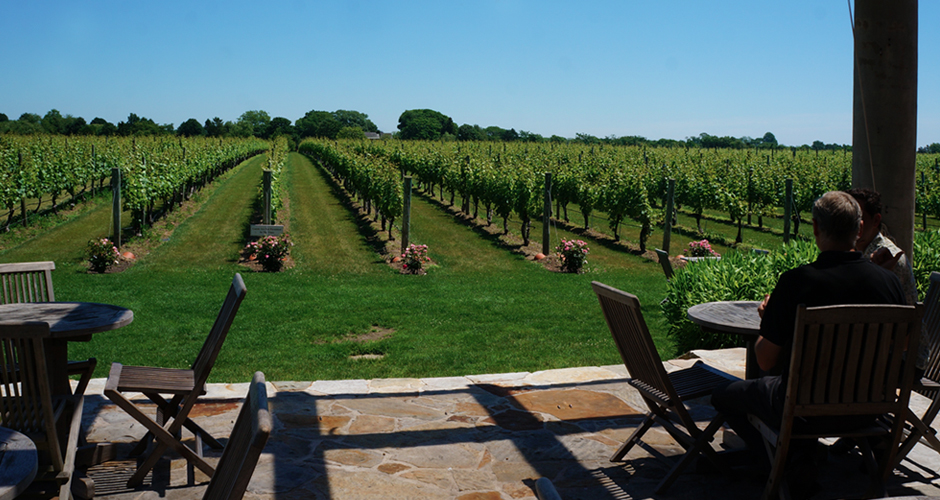
In 1999, I was working at the New York Times website www.nytoday.com (now defunct) and had put together a story about the winery scene in the Tri-State area: New York, New Jersey, and Connecticut. Few people, even in the region, appreciated the long history and importance of the local wine industry at the time, and, arguably, still too few do so, today. New York State, where wines has been produced since colonial days, is home of the oldest bonded winery in the US, Brotherhood Winery (1839), located in the Hudson Valley. Moreover, in 1999, the state was second only to California in American wine production (today, it is third, after Washington State). Most production was upstate, around the Finger Lakes, 4 hours, plus, from NYC. Hudson Valley wineries were closer to city, but were more spread out from on another. And, besides, few vintners except for the brave/stubborn Michael and Yancey Migliore at Whitecliff Vineyard and the deep-pocketed (and also stubborn) John Dyson at Millbrook, were planting vinifera grapes – the Eurasian species responsible for the world’s great wine varieties. Long Island vineyards, two hours from the city, were almost purely vinifera, and, stylistically, very much what Euro-centric wine drinkers in New York City could appreciate.
So, off to Long Island wine country I went, focusing on the North Fork where most vineyards are located. I had visited plenty of other vineyards before – mostly in northern California were I attended university, and in France’s Rhone Valley and Languedoc – but these were the first vineyards/wineries I would be calling on as a writer.
My itinerary was ambitious: Macari, Paumonok, Pellegrini, Peconic Bay, Pindar, Corey Creek, Bedell, Pindar, and Lenz, all in a single day. The car, at $140/day, was the most expensive I had ever rented (even up until today), and being of limited means, I was not going to pay for a second day. By necessity – both for the reasons of schedule and the fatigue/impatience of my girlfriend at the time and two friends who joined us – most visits were quick: a rundown of what visitors could expect, and a quick taste of some of the wines. But, I lingered at three: Macari, Paumanok, and Lenz, compelled either by their stories, their personalities or the wines they made. Almost seventeen years later, these three wineries still compel me, though in subsequent visits to the region, I would come to add others, some passionately so.
Below is the article that appeared in Gilbert & Gaillard this past autumn, based three days of visits in June of 2015. Because of word limits, I couldn’t say in the magazine nearly as much as I would have liked. Some additional (still limited) comment and expansion follows the article.
Continuity & Renaissance: Long Island Enters Its Second Generation in Gilbert & Gaillard International, Autumn 2015
“Biodynamics does not guarantee you can make great wine. In some places, you are better off growing potatoes.” – Nicolas Joly, November, 2001.
By Jamal Rayyis
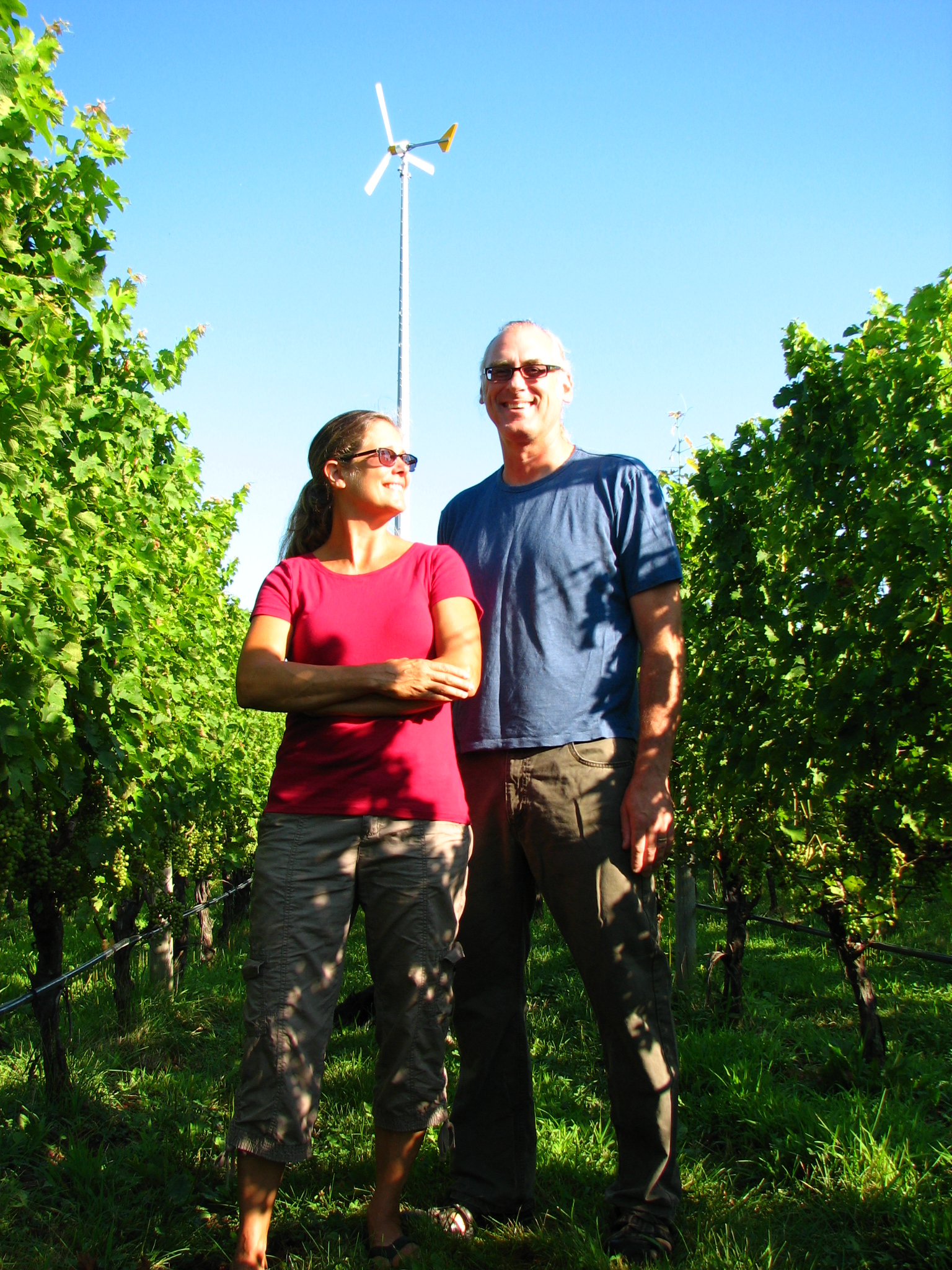
Thankfully Louisa and Alex Hargrave hadn’t heard of biodynamics in 1973 when they dug up a potato farm and planted a vineyard on the North Fork of Long Island, two hours northeast of New York City. Advised that Long Island had soils and a climate similar to winegrowing regions in France (which regions was never said), they planted classic varieties like Bordeaux’s Cabemet-Sauvignon, Burgundy’s Pinot noir, and the Loire’s Sauvignon blanc. A few local farmers predicted failure, and feared they might introduce new varieties of pests. Pioneers, the Hargraves had to leam by trial and error. But, fail they did not. Within a decade, over a dozen others joined them in the pursuit to make fine wine on Long Island. Forty-two years later, their courage inspired almost 60 others in the region.
SOME PRELIMINARIES
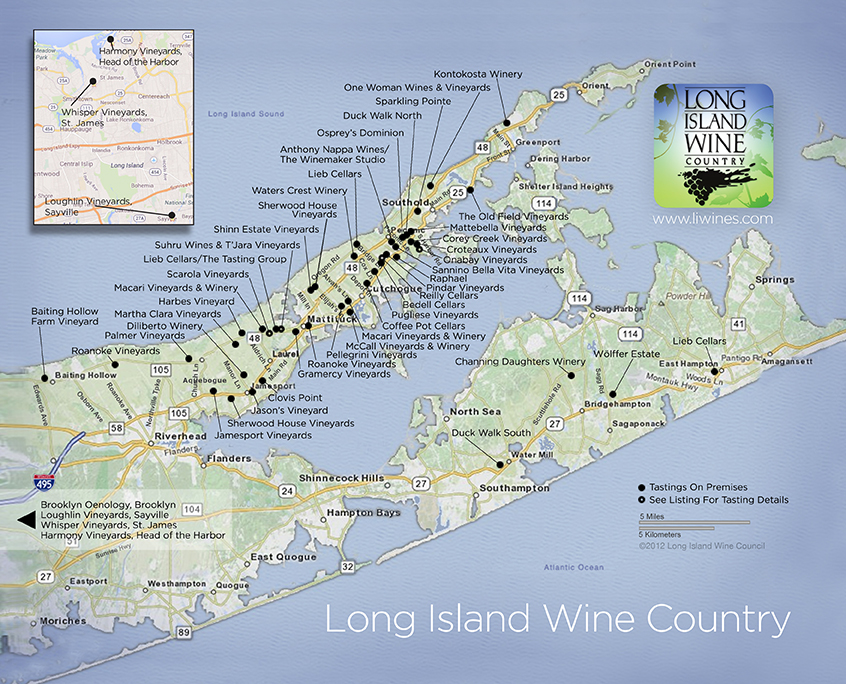
Long Island’s wine industry is centered in the northeastern portions of the island, including the North Fork to the west, which borders Long Island Sound, and the Hamptons, which borders the Atlantic. Peconic Bay separates the two. Surrounded by water, the region has a moderate maritime climate, a little cooler than Beaune in January, a little warmer in July. Summers are humid, but tempered by almost constant breezes. And, soils are diverse with glacial and maritime soils, sand, clay, granite and limestone. There are 1,200 hectares of vines planted here, primarily Merlot, Cabernet franc, Cabemet-Sauvignon and Pinot noir for reds, Chardonnay and Sauvignon blanc for whites. The young industry is now experimenting with novel varieties such as northern Italy’s Lagrein, Teroldego and Nebbiolo, Austria’s Blaufrankisch, Zweigelt and Grüner Veltliner and others.
Though thoroughly American in spirit, Long Island wines are stylistically more European than Californian. Indeed, the climate, topography,
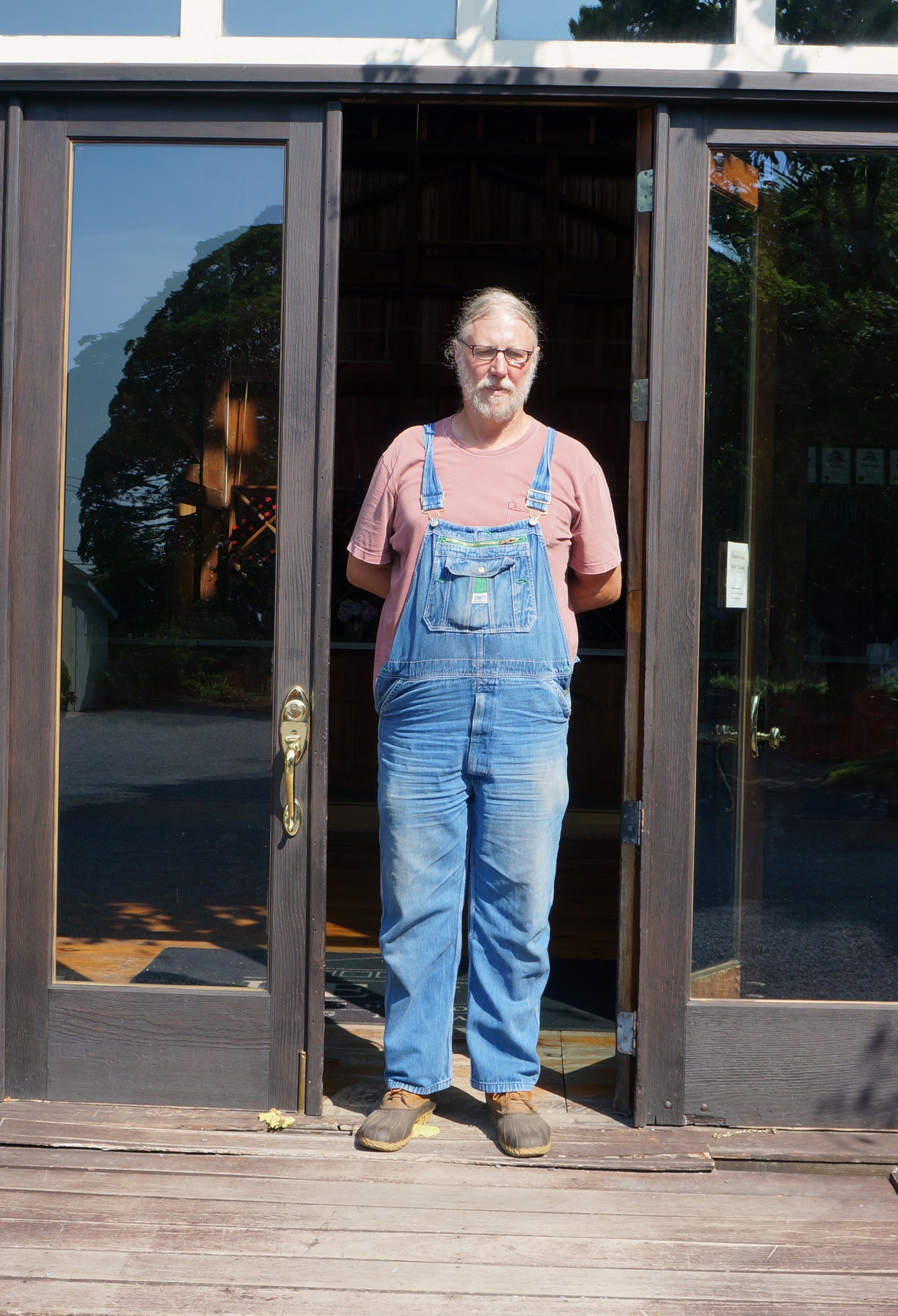
and soil types closely resemble Bordeaux in parts. What’s remarkable about Long Island viticulture is that whether one picks early or late, grapes stay in balance. As Eric Frey, the California-trained winemaker at Lenz who has been in Long Island since the late 1980s, remarks with wonder: “In California, you have to work fast because of the heat. Here, I have a six-week window to pick Chardonnay, from mid-September ’til the end of October and get fruit with good ripeness and excellent acidity. The flavors will be different – from green apple to citrus to pear and tropical – but the balance is still there!” On the other hand, there is always the risk of hurricanes. Sandy, which devastated the East Coast, hit the end of harvest 2012.
WHAT’S TO COME
Long Island wine has entered its second generation. Many of the pioneers have either passed the reins over to their children, whilst some have passed away, leaving the legacy of their work to others. A few pioneers (the Hargraves, in 1999, among them) sold their wineries. At the start of the millennium, there was a rush of folks with big money and hubris, who built ostentatious wineries. Many departed after realizing the arrogance that made them successful in the world of business did not work in the wine industry, especially one that will essentially stay at boutique scale, with annual production at under 50,000 hectoliters. Several winemakers on the Island see the future as one of smaller vineyards, smaller wineries and more focus on quality than tour bus visitors.
A FEW OF THE REGION’S EXCELLENT WINEMAKERS
Anthony Nappa – Trained in New Zealand, Anthony Nappa makes wine at Raphael, which was founded in 1996 on the Bordeaux château model. Until Nappa arrived in 2013, the wine was underwhelming, but Raphael’s owners saw his talent and gave him the latitude to do things his way, including making his own, eponymous wine on the property. While Raphael remains classic, Nappa’s own wine can be singular and esoteric, though totally balanced. He and his wife Sarah sell the wines at their Anthony Nappa Winemaker Studio, which also supports other boutique winemakers, providing them a venue to offer their unique wines.
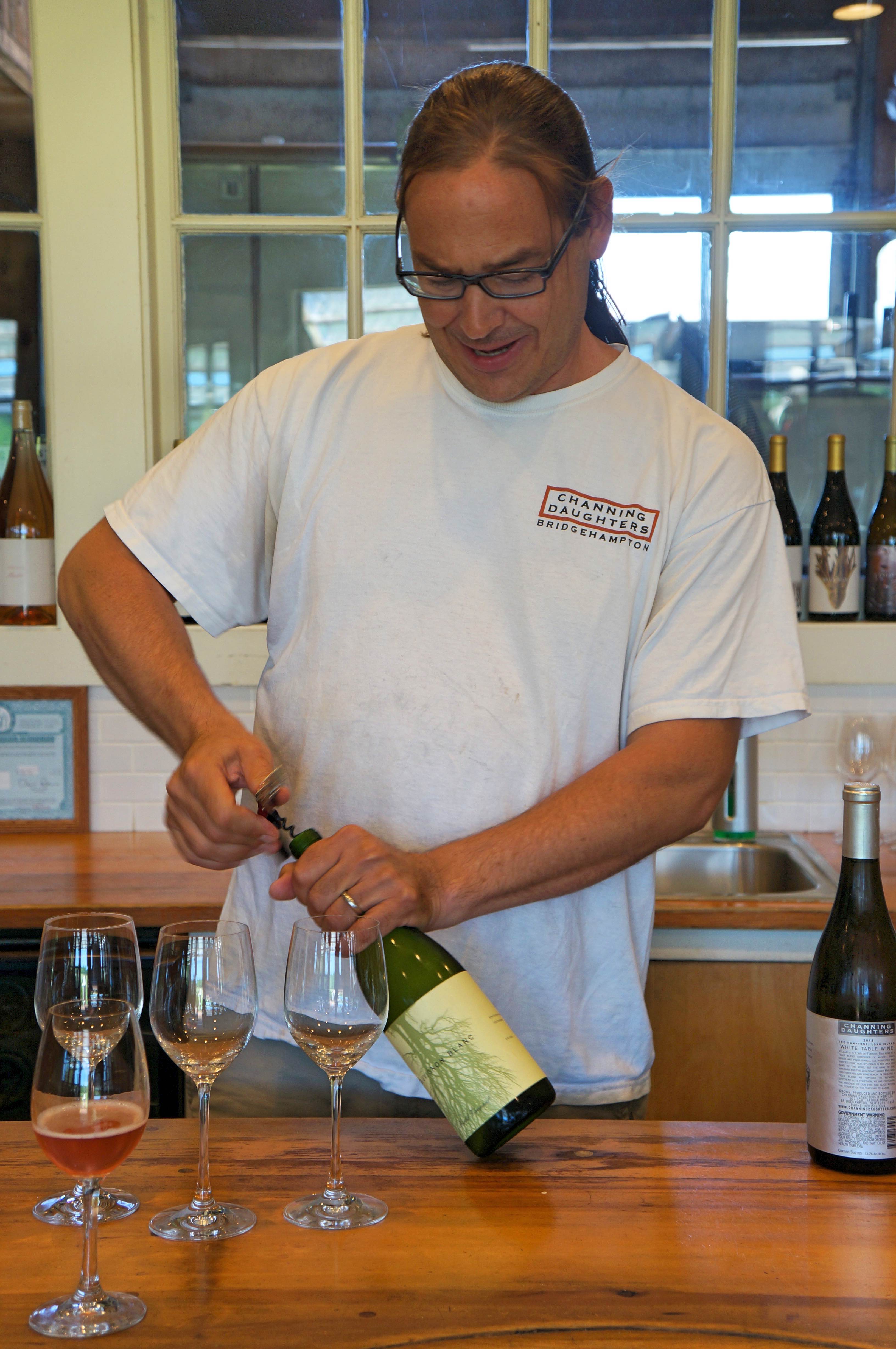
Channing Daughters – A visit to the Hampton’s Channing Daughters is dizzying. Winemaker Christopher Tracy is a fast talker, necessarily, so he can describe the over 30 wines he makes. For another, Channing Daughters, more than any other winery in the area, is fervently dedicated to showcasing Long Island’s diversity, making an array of wines from grapes like Blaufrankisch, Lagrein and Ribolla gialla. Tracy is thrilled by what is possible on Long Island. “We aren’t dogmatic, we try different things so long as we keep two ideas in focus: reflection of place, and deliciousness.”
Lenz – Established in 1978, Lenz has some the region’s oldest vines, including some of the oldest Merlot in the United States, which wasn’t embraced by California until the mid-1980s. Winemaker Eric Prey, a self-described curmudgeon, is no nonsense and maintains very high standards, tutoring a number of emerging producers.
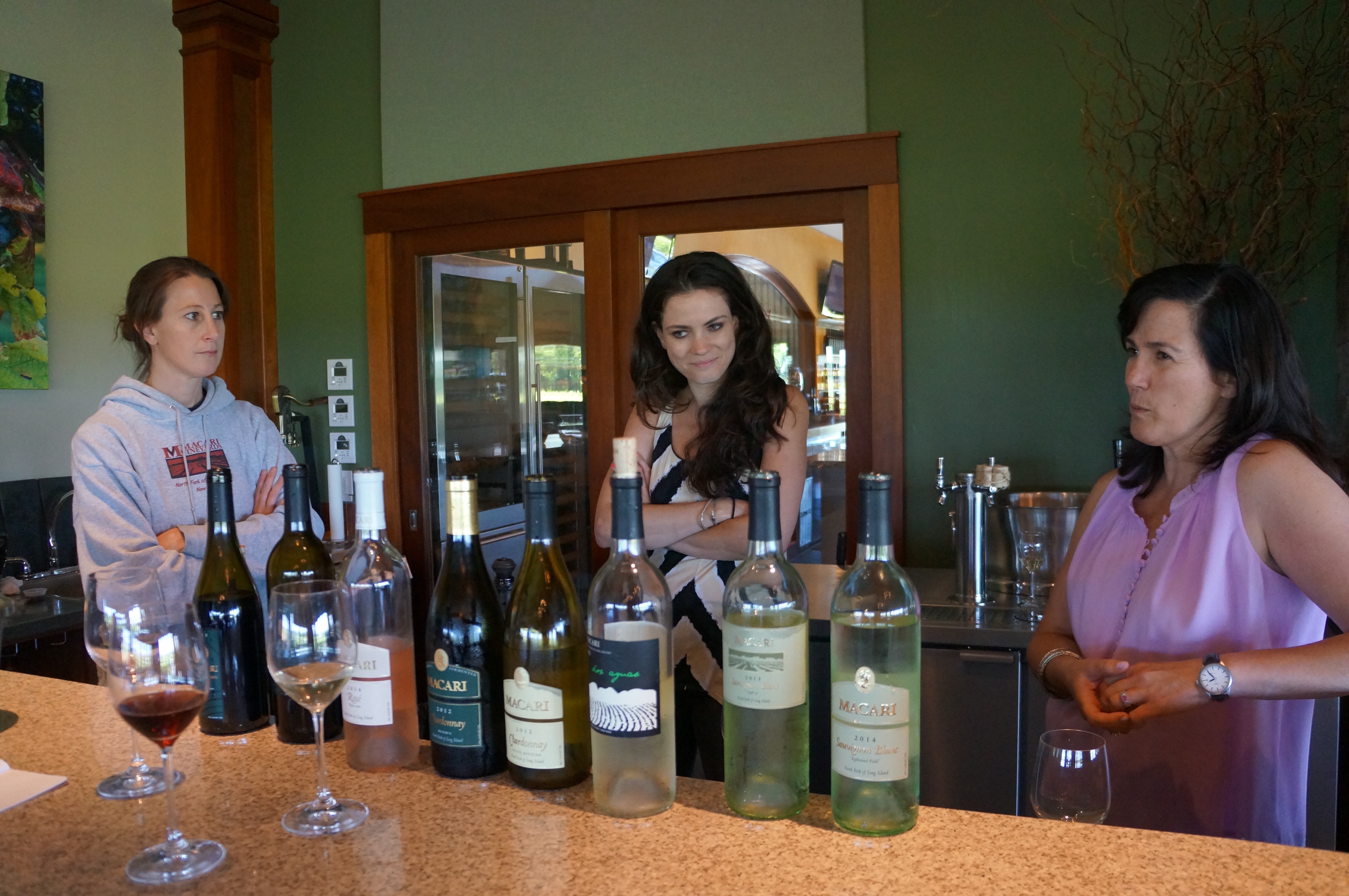
Macari – In 1999, during my first visit to the North Fork, Joe Macari introduced me to biodynamics, changing the way I looked at wine. One of the largest landowners in the North Forth, the Macaris never went fully biodynamic, but they maintain its principles of biodiversity on their property that includes 80 hectares of vines. Joe and wife Alexandra’s son Joey is now in charge of viticulture. Daughter Gabrielle handles marketing. Their large range of wines is both exciting and excellent.
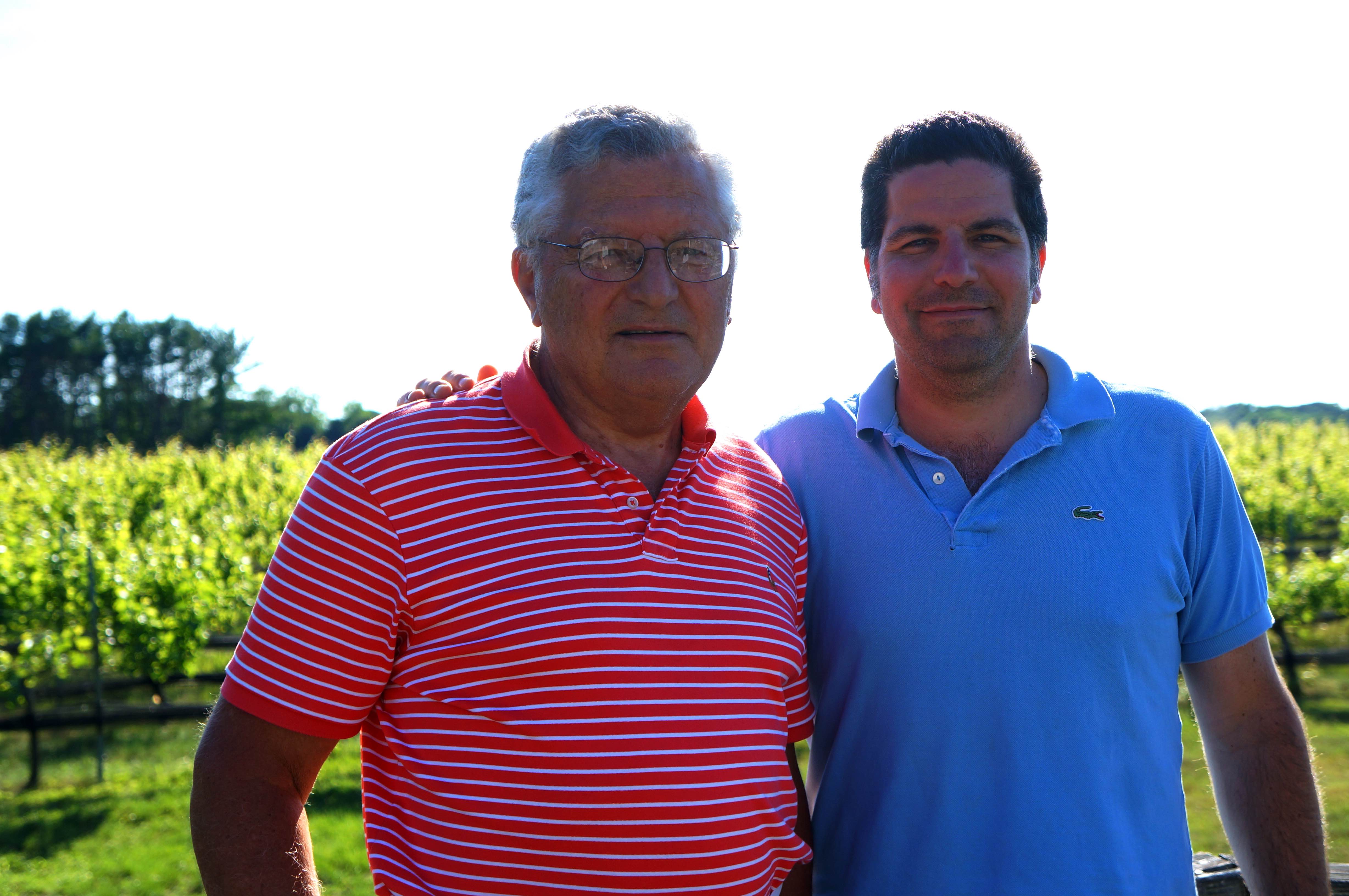
Paumanok – Paumanok is the gold standard for the region’s quality. What started in 1983 as a sort of hobby became by the early 1990s, a successful quality-driven business, carefully run by Charles and Ursula Massoud. The wines, made from classic European varieties, have a rare precision to them. Their Chenin blanc is unique to the region, and among the best outside the Loire Valley. Today, the Massoud’s sons have taken charge, Kareem as winemaker, Nabeel as vineyard manager, and Salim as an administrative manager. As others experiment, Paumanok is a comerstone to assure the region’s success into the future.
Shinn Vineyards – Barbara Shinn and David Page are hard-working romantics. Successful restaurateurs in Manhattan, they always emphasized consuming local, wholesome products. They planted their vineyard at the end of the 1990s, devoting more energy to biodynamic production, difficult in Long Island’s humid climate, than anyone. The biodynamic process hasn’t been entirely successful, but they are drivers in a regional move toward sustainability. David also is the only licensed winery distiller in the region. Unrelated, the inn they run at the property is wonderful.
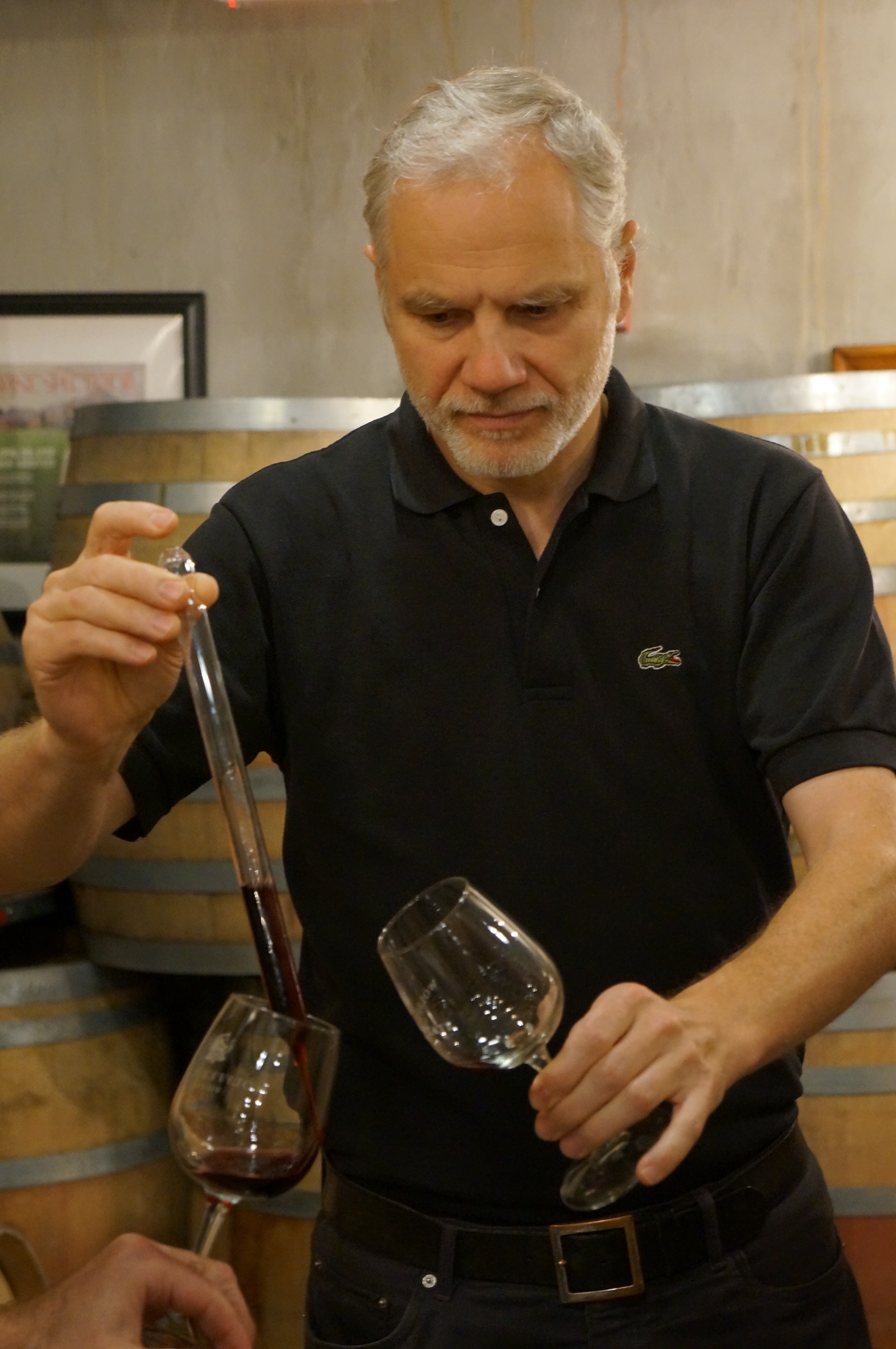
Wölffer Estate – Part of the Hamptons’ scene since financier Christian Wölffer founded it in 1988, Wölffer Estate has focused on quality from the start, both in its wines and the visitor experience. “We have to be aware that we are a tourist area, and provide for it,” says Roman Roth, winemaker since 1992. Appropriately, 70% of the 520,000 bottles made are rosé, which happens to be among the finest in the United States. The Bordeaux-styled reds are excellent. Wölffer’s children took over upon his passing in 2008 and made Roth a partner.
Other wineries with stories to tell: Jamesport, Mattebella, McCall, Old Field Cellars, One Woman Wines, Pellegrini Vineyards, Roanoke Vineyards, Sannino Bello, Southold Farm + Cellar, Sparkling Pointe.
Fin
A few extra words (and some of those other stories to tell):
The pressures that Long Island wineries face from both, ironically, creeping development and land use-restrictions is felt, perhaps most directly in the township of Southold. I was able to spend a bit of time at two Southold wineries under pressure: Christian Baiz and Rosamond Phelps at The Old Field Vineyard on the eastern edge of the township, up to the waters of Peconic Bay, and Regan Meador Southold Farm + Cellar, inland, at a higher elevation. The property of each is about the same size, 22 acres, 10 under vine for the former, 24, 9 under vine for the latter. Yet, each of these wineries deal with distinctly different issues: Chris Baiz represents the fourth generation of his family farming the property his great grandmother acquired at the end of World War I. Regan and his wife Carey are farming a property that was derelict when they bought it in 2012. Clearly, the need to buy land in 2012 necessitates a different economic approach than working property that was largely inherited.
Baiz, who, while attending to some aspects of the farm, had a career as mining engineer before returning to the farm full time. It is easy to see why he returned The property is one of the loveliest in all of Long Island, a true reflection of gentile quaintness the Old Field name evokes, verdant, with tall, old trees and wild growth surrounding the vineyards, and beautiful Peconic Bay shimmering just beside. At present, his wife Ros is in charge of winemaking and daughter Perry, who studied environmental biology, manages the vineyards. Foremost in Baiz family’s mind is sustainability – not just in an environmental sense (and they do make a point of farmi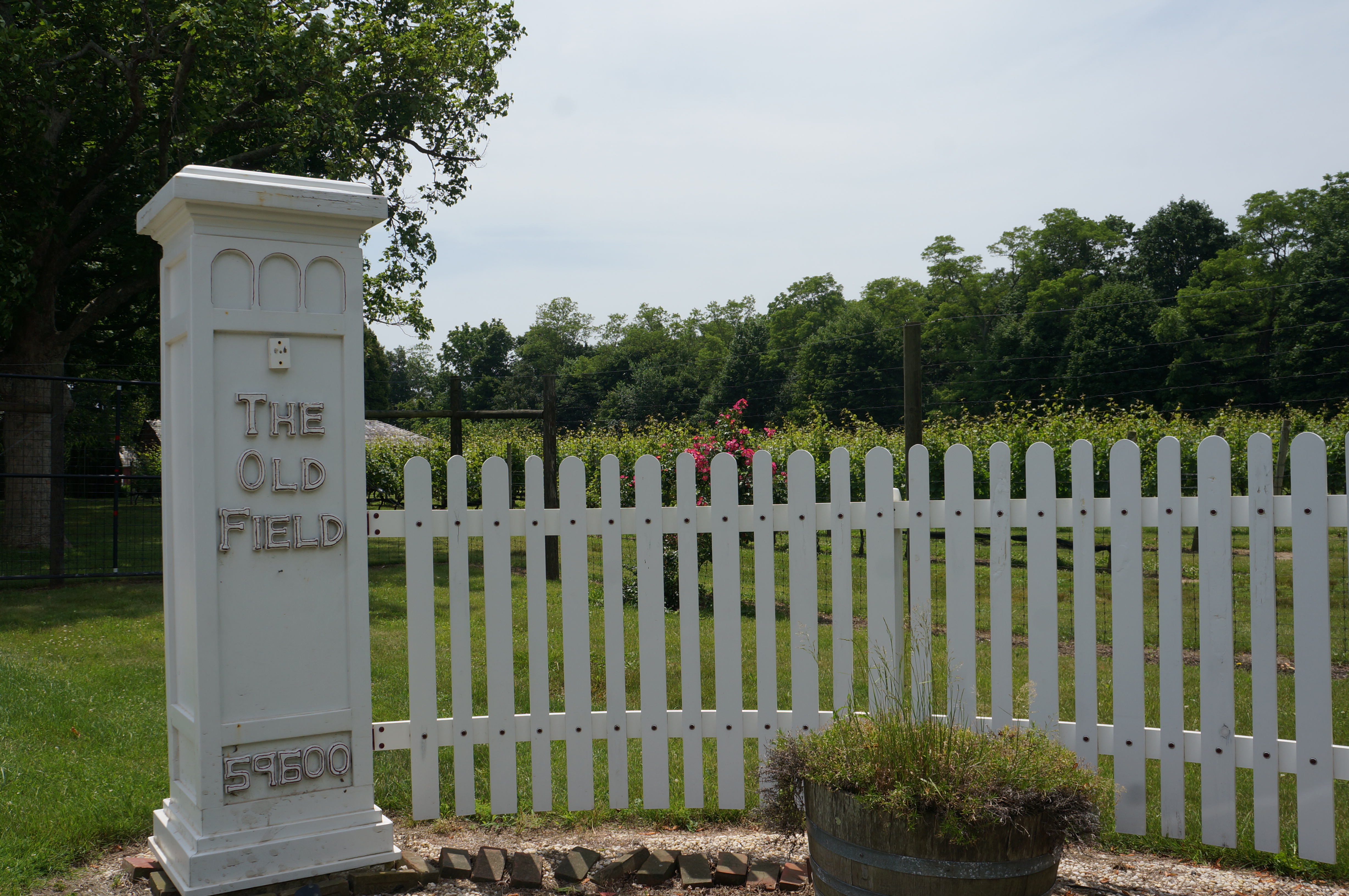 ng sustainably) – but economically in the long term, that is, into future generations, as well. According to Chris Baiz, the US Department of Agriculture has determined that the North Fork is the most expensive agricultural land in North America. It isn’t easy to get financing for operations, so overhead has to be kept low and operations small and lean. It is vital to attract to the winery people who will not simply taste and maybe walk away with a bottle, but will linger, feel invested in the experience, and not only buy a case, but also, will return for more. Ninety-eight percent of Old Field sales are at the winery – for full retail price – rather than the far lower margins that would be necessary for wines sold through wholesale distributors and retail shops. Space rentals, especially for weddings – are an important source of income as well, as they are for many other wineries on Long Island, as well as in most other American wineries. Production facilities are simple, with 500 cases – red, mostly – made at the winery, plus others, whites, made at Lenz winery down the road. How are the wines? I can’t really say. Other than a merlot of these I tasted three years ago, I don’t have other experience with the wine. Despite the generosity of time and information – plus a wonderful golf-cart drive through the vineyards and to the edge of the bay – no bottles were opened for tasting. My visit was to understand the region rather than comment on the wines, so I didn’t really mind. All I can say, is that I hope I’ll have a chance to taste in the not so distant future.
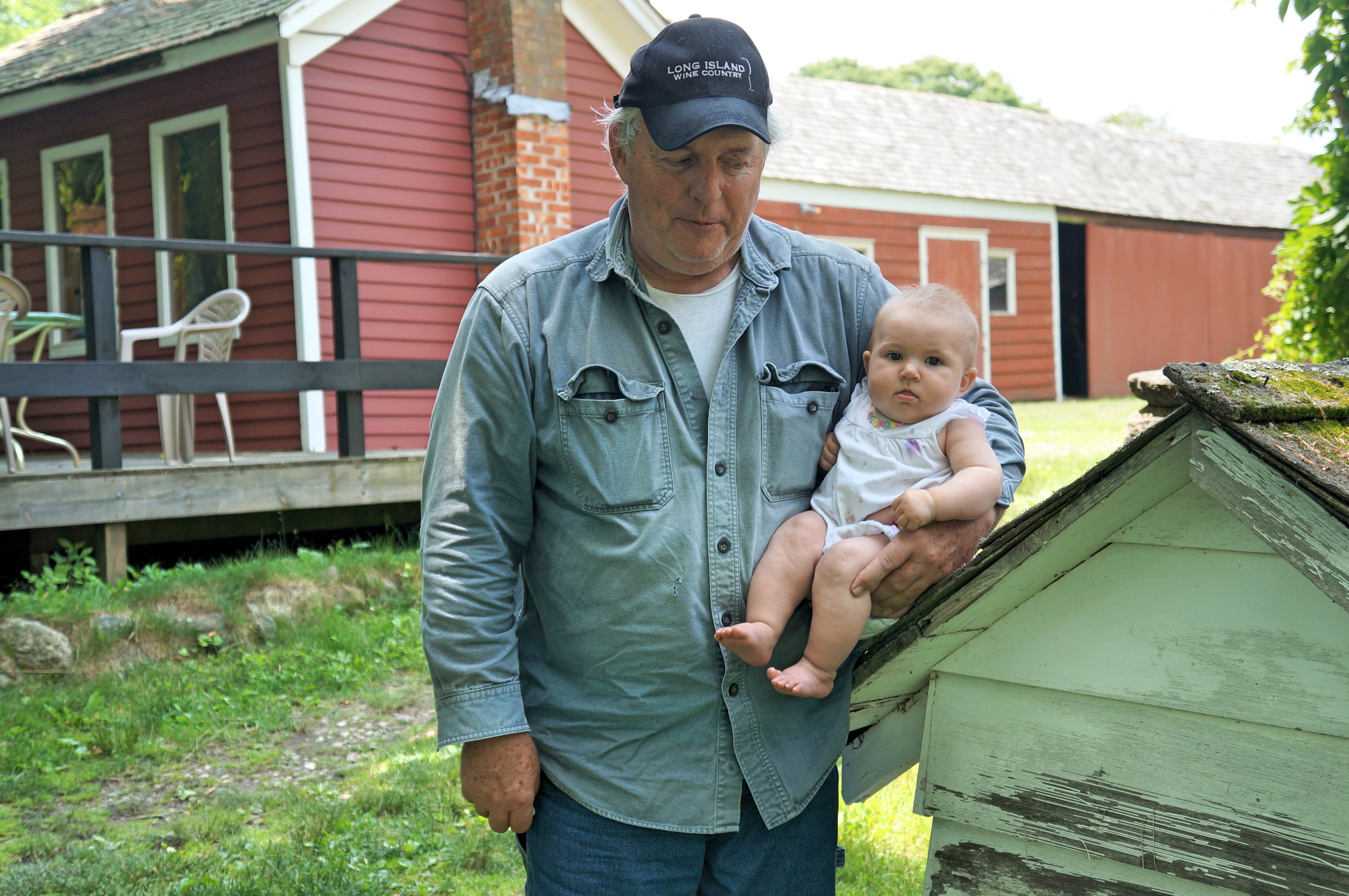
One way landowners can get financing is to sell their development rights, transferring them to other parties for future use. With the right to develop land for housing or tourism purposes limited by a desire to maintain the region’s agricultural legacy, the actual right to do more than farm is valuable. And, it is easy for cash-strapped farmers to be seduced by the possibility of selling a commodity – development rights – that they don’t think they’ll ever use. If you have no intention of building on your farm/vineyard, then, who cares if development rights are ceded to others? Unfortunately, things can changes. As Chris Baiz cautions, ‘Selling development rights is okay for the first generation, but there is no equity for the second, since their sale devalues the property. It doesn’t work for the future.”
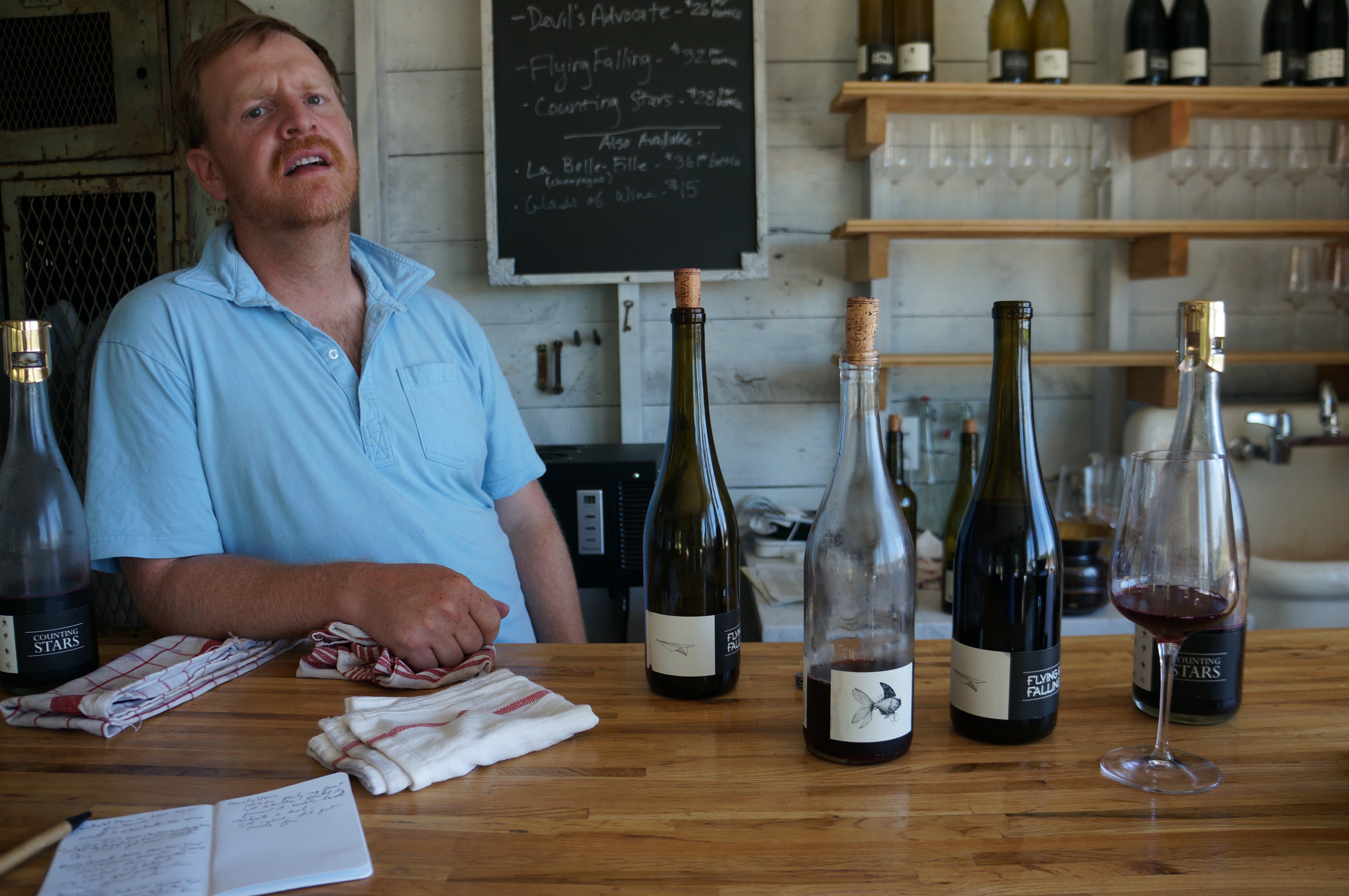
Regan and Corey Meador, who bought a derelict farm in 2012, do not have development rights, or, anyway, very limited ones. In their 30s, they left their NYC advertising careers (though Corey still does that part time), for the relatively slower, certainly more connected-to-the-earth life of winegrowers. Being new to the industry, and planting a vineyard anew, afforded certain advantages, especially the ability to experiment with grape varieties that the region wasn’t already known for, and to make wines of a type, and possibly, quality beyond what had been done before. Like Christopher Tracy at Channing Daughters, northern Italian grapes like Teroldego Rotiliano, Lagrein, and Moscato giallo have been planted, as well as Cabernet franc, Merlot, Petit verdot, Malbec, and Syrah. The latter has been an under-performer and will likely be grafted over to Blaufrankisch. And, also like Tracy (and, it should be added, Anthony Nappa), Meador doesn’t follow the ‘traditional’ route to winemaking – working outside the model of classic Bordeaux or Burgundy inspired wines – to experiment with carbonic maceration, carbonation, extended skin contact and fermentation for white wines, etc. In other words, he is one of the cool kids. Meador also has a different vision of who he wants to buy his wines. While no one on Long Island would be unhappy selling his/her wines outside the region (beyond, even New York City), the dominant model is tasting room sales, with all the advantages of full profit margins. A large tourist industry – much of it moneyed – almost guarantees, in principle (with several counter examples), a certain level of success. The model for Southold Farm is distinctly toward distribution, and indeed, its wines are distributed in more states – even on the West Coast – that possibly any other winery in the region. That is a good thing, since soon after my visit last June, the Southold town board ordered the closure of the Meador’s tasting room and forbade the construction of a winery on the property. The reason? Improperly understood development rights with a dose of nimbyism. That is, a neighbor complained about traffic to an unmarked winery. The issue has been covered in the press, here and here and other places. And, while the Meadors didn’t plan to rely solely on tasting room sales, to do without, especially in a heavily touristed region, puts the whole enterprise into serious question. As of this writing, no final decisions have been made. The winery’s website says they are doing only online sales, though no wines are being offered. It’s a sad tale, born out of the myopia of local officials who are, unable to see that the long-term viability of agriculture in the North Fork depends on innovators such as Meador, neighbors who think they can maintain some Waldenian ideal by simply rejecting anything new, and, to be fair, probably some naïvité on the part of the Meadors. Good intentions and leaps of faith often cannot overcome small minded fear, not without deep pockets in any case.
Some additional notes on wines
Of all the wines tasted both during my visits and subsequently, those of Anthony Nappa struck me more profoundly.
He shares, with Chris Tracy and Regan Meador, a unique spirit of experimentation that, I think, is necessary for Long Island to become a region recognized for its wines rather than a region recognized for being a lovely place to visit that also happens to make wines. (This isn’t to say that the classical wines are not also essential for this recognition to take place. The region would suffer tremendously if it didn’t have the likes of the Massouds at Paumanok, Roth at Wolffer, Fry at Lenz, and the Macaris at, well, Macari, as well as several others, all of whom make exemplary wines, year in and year out)
Fermenting white grapes on the skins – creating ‘orange’ wines is in vogue for a number of avant garde winemakers – and a fad of sorts for a few wine drinkers (generally, I really like them), Anthony Nappa, among them. But, he thinks beyond treating white grapes as red. Take, 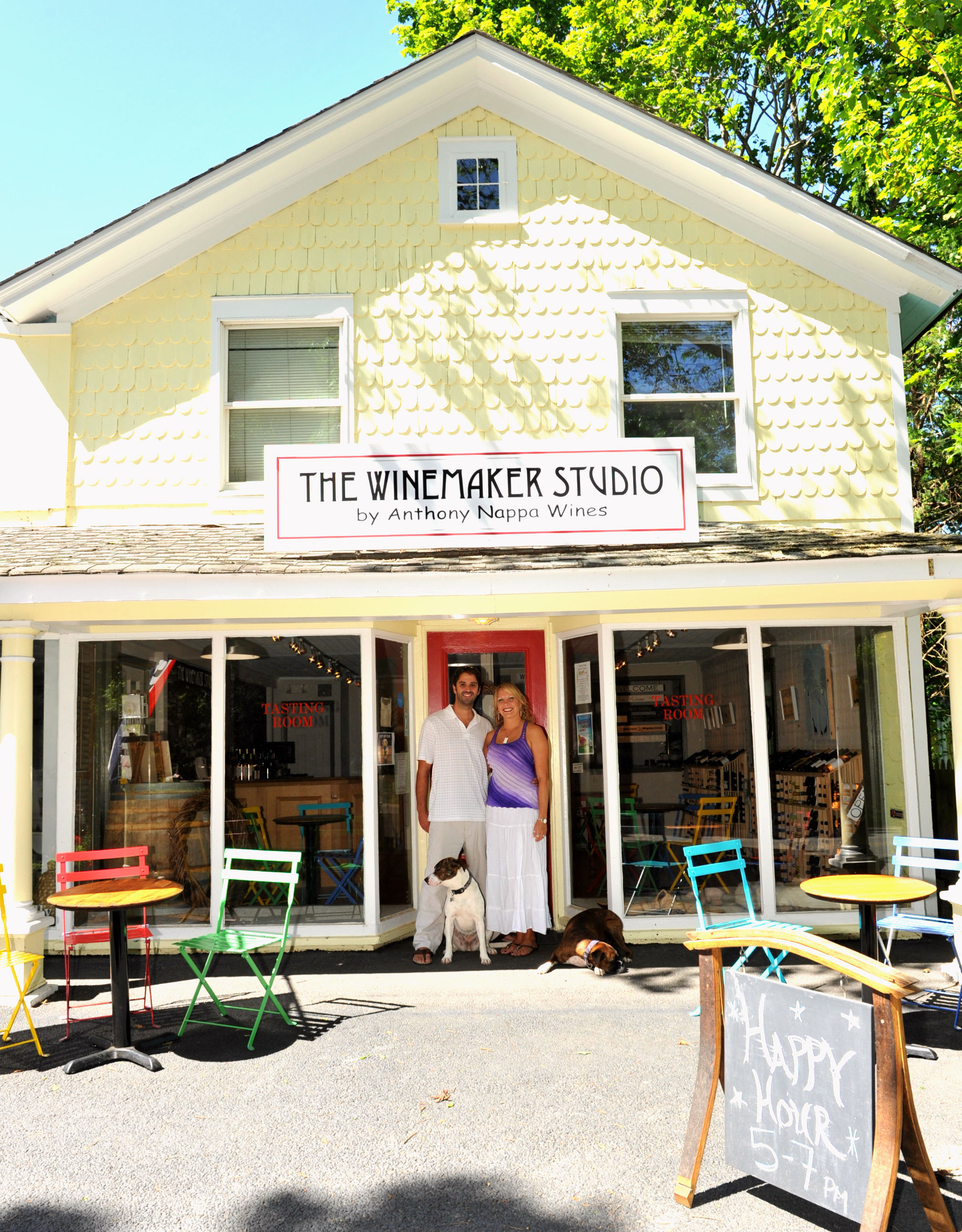 for example, his Spezia Gewurztraminer 2013, which is made from grapes, 40% fermented on the skins and 60% fermented through carbonic maceration, all pressed together. The wine is dry, but also luscious in texture, full of spice, smoke, orange zest and lemon oil flavors, a touch tannic, and simply delicious. Reminisce 2013, a Sauvignon blanc made from grapes macerated on the skins for 3 days before fermentation, is savory, with flavors of fresh pressed olive oil, lemon and wild herbs. Frizzante, a sparkler made in the Col Fondo style – is an old school Prosecco styled wine from Pinot noir, Riesling, and Gewurztraminer, that undergoes a secondary fermentation in bottle (unlike the overwhelming majority of Prosecchi today, which do their secondary fermentation in tank), without disgorgement. It is brilliantly fresh, with floral and stone fruit flavors and full of energy. Reds are more “traditional” but show Nappa’s unique hand. La Strega Malbec has a rustic edge to it that reminds me of a vino di contadino I had three years ago in the hills above the Amalfi coast (poured from a re-purposed Prosecco bottle), full of tasty tart cherry flavors and snappy acidity. A tank sample of the 2014 Ripasso, made from Merlot that was macerated, post fermentation (‘re-passed’) over Petit verdot and Malbec skins (alla the wines of the Veneto) for six months, evoked dark, wild berries and amarena cherries, black olives, and dry leaves. While Nappa makes his wine at Raphael winery, that is, his day job, they are available at the Anthony Nappa Winemaking Studio, which also features the personal wines made by others who, like Nappa, are lead winemakers at larger wineries. Fortunately, Nappa’s wines are also in distribution. As coincidence would have it, I visited the studio at the same time as Amy Ezrin of Massanois Imports, who, similarly impressed, agreed to take the wines into their New York and New Jersey distribution portfolio.
————————————-
The premise of the original Gilbert & Gaillard article above was the regeneration of the Long Island wine industry, with pioneers passing their business to their children, or young winemakers arriving continue the work started by others. Space limitations prevented me from speaking about everyone I would have liked, but it’s necessary to make mention of Zander
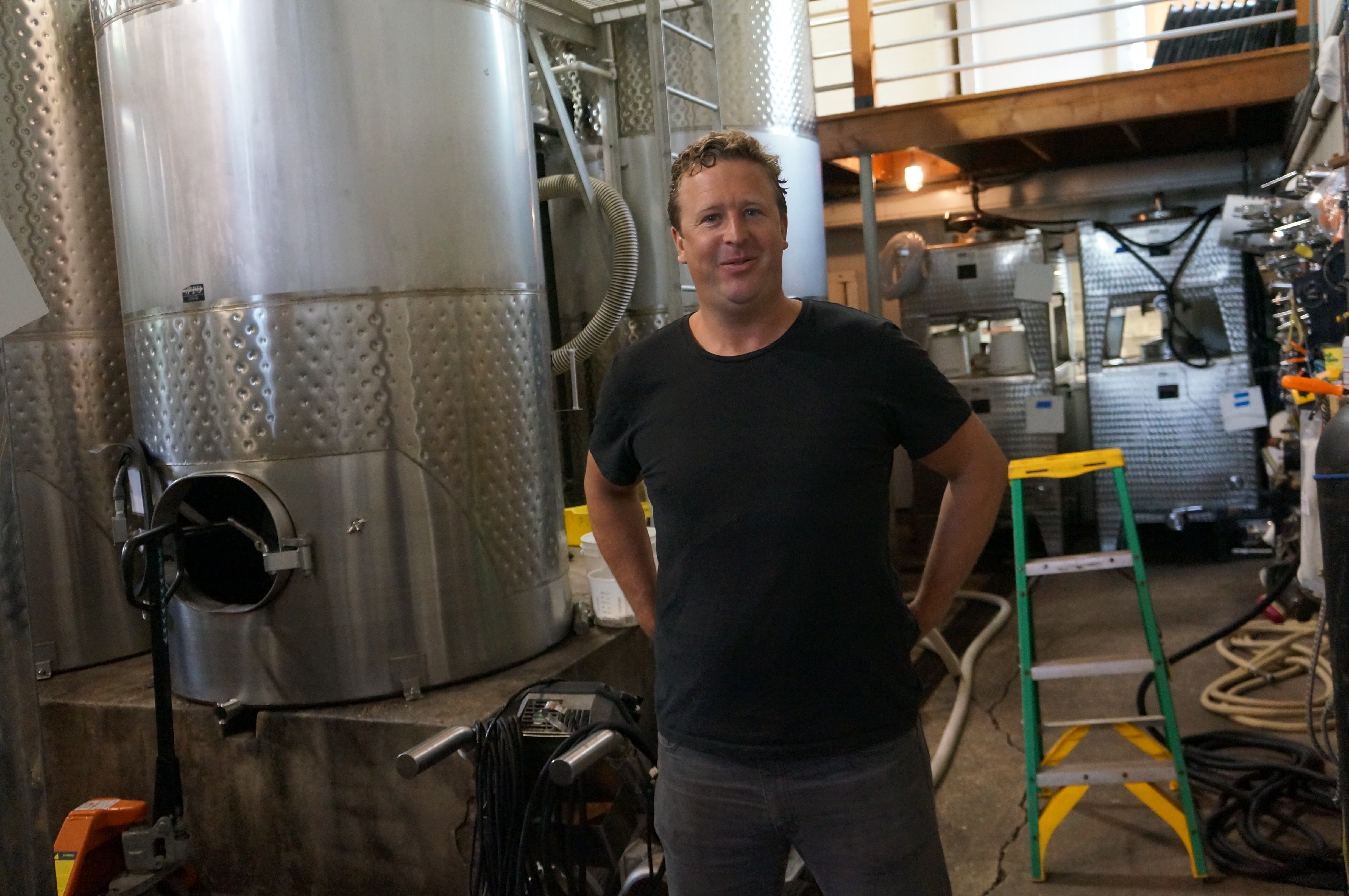
Hargrave, son of Louise and Alex Hargrave, the region’s founders. Louise and Alex sold their winery in 1999, effectively retiring from the business. Zander, who grew up in the vineyards and around the winery, did his own thing, leaving the region to study history, and earning a master’s degree in education. No doubt, a career as an academic was his for the taking. Yet, something, call it a genetic flaw, drew him back to region to make wine. While he didn’t have his family winery to go back to, he nonetheless took the opportunity to return in 2011, first as an assistant winemaker at Peconic Bay winery (since closed) and lately, as head winemaker at one of the other pioneering wineries in the region, Pellegrini. Though he grew up in the industry, and surely saw the struggles required, 38 year old Hargrave shows the enthusiasm who a kid who just discovered Christmas for the first time. He is deeply appreciative and proud of what his parent accomplished, noting, especially, that they had so little to work with from the start – little knowledge and few choices in terms of grape variety. “But, now, we can do so much. We know we can make excellent Merlot and Chardonnay – even world class, but, it will take time to dial into to all the variables, what works best for us.” For the moment, I judge Pellegrini wines – as I have for a long time – to be solid, well-made, nicely balanced, but not transcendent. Starting just before the 2014, Hargrave hasn’t yet had the opportunity to make fully his mark on the wines. Given his enthusiasm, both for his work, as well as the new generation of pioneering winemakers utilizing different grape varieties and winemaking techniques, there is no doubt that Hargrave is someone to watch in near future.
———————————————-
As stated in above in the Gilbert & Gaillard article, Long Island is now home to some 60 wineries. Or, how shall I put it?: wine brands. Because of their small size, many wineries have their wines made at other facilities, and, truth be told, by wine making consultants. In fact, as much as 70% of Long Island wines are made by 5 different people. Eric Fry of Lenz, Roman Roth of Wolfer, and Giles Martin of sparkling wine specialist Sparkling Pointe (a subject for a future article), are prominent in this regard. To be sure, winery owners who employ their expertise, might add their own personality into the final wine. The wines are good, sometimes exemplary, but there is an inevitable sameness to many of them. Then again, Michel Rolland makes wines throughout the world – and, while those might be accused of sameness, too – one cannot say many of them cannot be exciting wines, besides. [Exciting or not, while I appreciate what Rolland does, I am not a fan of his style].
Fortunately, there is more than enough dynamism on Long Island to assure that.